Many customers prefer to message on WhatsApp rather than fill in a form or phone. For the business, that means quick replies, informal conversations and a channel people already use. But without scripts, response times and qualification, conversations scatter and leads are lost.
The essentials in a definition
WhatsApp leads demand speed and simple qualification: the person chose an informal channel and expects a quick reply. Define short scripts, realistic response times and qualifying questions that filter without driving people away. Consult the WhatsApp Business documentation on features and rules, and comply with the GDPR and electronic-communications rules (ePrivacy).
Why it works
It is immediate, familiar and puts the person at ease. Friction is lower than filling in a form. In local services, retail and quick decisions, it usually generates more contacts. But it demands presence: a message without a quick reply is lost.
Define hours and a response promise.
Scripts and quick replies
Prepare opening messages, qualifying questions, answers to common doubts and next-step proposals. Keep a natural, not robotic, tone. Use saved replies to save time, but personalise. Confirm what the person is looking for before presenting prices.
Avoid dumping too much information at once.
Managing WhatsApp leads with method
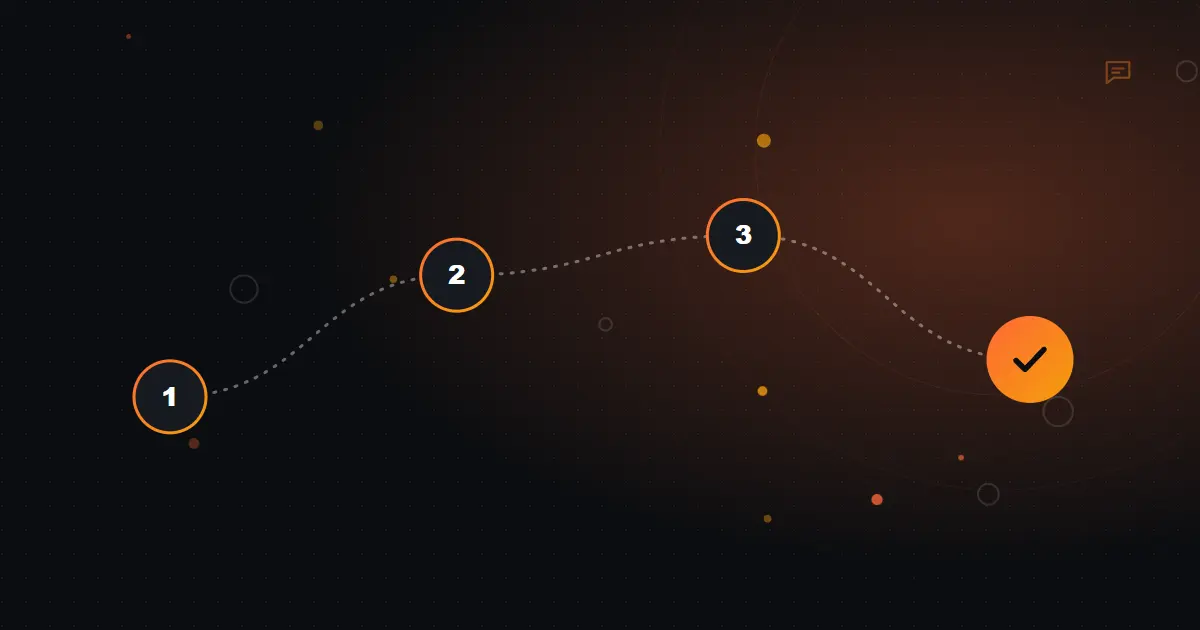
- Define hours and response promise
- Prepare scripts and qualifying questions
- Classify conversations and record the source
- Measure qualified and closed conversations
Qualify quickly
Ask two or three essential questions: what they need, by when, budget or scale, location. Classify conversations (hot, warm, cold) and prioritise. Move qualified ones to a meeting, visit or quote. Record each contact in a sheet or CRM with the ad source.
Without records, you do not know which ads bring good leads.

On WhatsApp, whoever replies first and best usually keeps the customer.
Measure and respect rules
Measure conversations started, qualified and closed per ad. Mind the messaging platform’s rules and data protection: request consent for future contact and respect removal requests. Do not send unsolicited commercial messages.
Trust is built with useful replies, not with insistence.
Decision table
| Element | Good practice | Risk |
|---|---|---|
| Response time | Minutes, within the stated hours | Late replies that lose the lead |
| Script | Greeting, one question at a time | Long messages and forms |
| Qualification | 2 to 3 key questions | Interrogation |
| Consent | State purpose and opt-out | Unsolicited messages |
Common mistakes to avoid
- Sending mass messages without consent. It breaches rules and may lead to blocks.
- Long robotic replies. They drive away those who wanted a conversation.
- No clear hours. It creates expectations you do not meet.
How to measure the result
Track first-response time, response rate, qualified leads, bookings and cost per booking by channel.
Limits and exceptions
The service’s rules and features change, and some require approved message templates and prior consent. Quick qualification does not replace a good conversation. Check current documentation and GDPR compliance before automating.
Illustrative example
Illustrative example: a clinic uses ads with a WhatsApp button. It replies within minutes during opening hours, greets and first asks the service wanted, then availability and area. Out-of-hours messages receive an automatic reply with the schedule. Bookings rise and repeated questions drop.
In practice: checkpoints
Prepare three quick replies for the most common questions and a script for booking a meeting, and review them with the team every month. Set clear hours and an automatic away message, route conversations by topic, record outcomes in the CRM and measure leads, meetings and sales by campaign. Ask permission before sending anything beyond the answer to the person’s request, and honour opt-outs at once.
Frequently asked questions
Can I use WhatsApp to sell?
Yes, respecting the platform’s rules and data protection.
How many questions do I ask?
Two or three essential ones to qualify.
How do I know which ad brought the conversation?
By recording the source on each contact.
How many questions should I ask?
Two or three at the start; go deeper in the conversation, without interrogation.
Can I use automatic messages?
You can for greeting and hours, complying with platform rules; keep human contact for what matters.
With WhatsApp leads, reply quickly, qualify with few questions, be transparent about hours and consent, and measure booking rate.
Sources and recommended reading
- Meta for Developers: WhatsApp Business
- General Data Protection Regulation (GDPR)
- ePrivacy Directive (2002/58/EC)
Last editorial review: October 2026. Informational content; always confirm current conditions in the official sources before deciding.