People who already showed interest, requested a quote, downloaded a guide or booked a meeting and did not buy are an asset many companies let slip. Reactivating these leads usually costs less than acquiring new ones, as long as the approach is relevant and respects consent.
The essentials in a definition
Reactivating old leads is one of the best cost-benefit actions, because these people already showed interest. It requires respecting the legal basis of the original contact (GDPR), electronic-communications rules (ePrivacy) and a message relevant to the current moment. Define segments by origin and time, and measure replies and conversions with key events and CRM.
Why reactivate
These people already know the brand and had a need. The moment has changed: budget, priorities, competition, timing. Often the reason they did not buy was time, not disinterest. The right approach can recover part of them.
The cost is far lower than that of a new lead.
Organise the base
Segment by source, interest, date of last contact, reason for not moving forward and potential value. Remove invalid contacts or those who asked not to be contacted. Check consent and legal basis. Prioritise those with the highest potential. Keep data up to date.
Without organised data, reactivation is random.
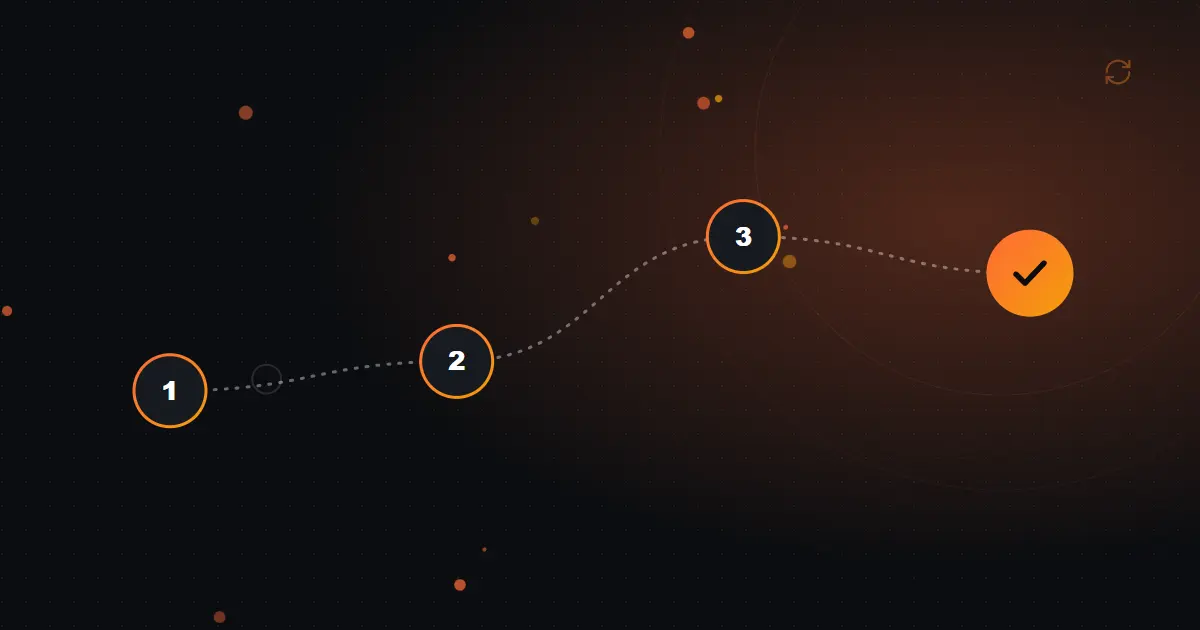
Reactivating old leads in an organised way
- Segment by source, interest and last contact
- Check consent and clean the base
- Adapt the message to the segment
- Measure response and drop non-responders
Messages and channels
Adapt the message to the segment: news, relevant cases, a limited offer, an invitation to a new conversation, a useful resource. Use email, messages, remarketing ads with lists (where there is consent) and direct contact for higher-value ones. Be honest and do not pressure.
Show what has changed since the last contact.

An old lead has already done the hardest part: getting to know us.
Measure and clean
Measure response rate, meetings, sales and cost. Test messages and timing. Those who do not respond after a sequence should rest or be removed. Record the reason for not buying to improve the offer. Repeat reactivation periodically.
A living base is an asset; a dormant base is a cost.
Decision table
| Segment | Message | Caution |
|---|---|---|
| Asked for a quote and did not proceed | News, case or relevant condition | Do not pressure |
| Downloaded content | Next content or useful invitation | Legal basis of communication |
| Inactive customer | Replenishment, news or feedback | Respect preferences |
| Lead cold for a long time | Confirm interest and update data | Delete if no interest |
Common mistakes to avoid
- Sending the same message to everyone. Relevance is lost.
- Ignoring the legal basis. Old contacts may not have consented to this use.
- Insisting without limit. It harms reputation and causes unsubscribes.
How to measure the result
Track reply rate, meetings, conversions, unsubscribes and cost per reactivated lead.
Limits and exceptions
Old-lead quality varies, and outdated data reduces effective contact. Rules on contact use vary and this content is informational and not legal advice. When in doubt, ask for updated consent or do not contact.
Illustrative example
Illustrative example: a training school identifies 400 contacts who asked for information last year and did not enrol. It checks the legal basis, segments by course and sends a brief message with the relevant news and an invitation to talk. Those who do not reply receive a final notice and are then no longer contacted.
In practice: checkpoints
Ask the sales team to record why each old lead did not move forward, and use that information to choose the reactivation message. Verify the legal basis and the age of each contact before writing, remove invalid addresses, and send in small batches to protect sender reputation. Offer something new rather than repeating the old pitch: a changed price, a case study, a new feature or an updated guide. Measure replies, meetings and sales by segment, and stop contacting those who do not respond after the final message.
Frequently asked questions
Can I contact old leads?
Yes, provided there is a legal basis and you respect removal requests.
Which channel do I use?
Email and messages, and ads with lists where there is consent.
When do I remove a contact?
After a sequence without response, or on request.
How long after can I contact?
It depends on the legal basis and the information given at collection; confirm before contacting.
Should I use ads to reactivate?
You can, with customer lists, when the legal basis allows and the platform accepts.
Reactivate old leads with segments, relevant messages and respect for the legal basis and preferences, measuring replies and conversions.
Sources and recommended reading
Last editorial review: October 2026. Informational content; always confirm current conditions in the official sources before deciding.