
There’s no universal minimum budget, but there is a calculation logic: (1) define the maximum cost per customer your margin supports; (2) estimate how many conversions per month you need to measure and learn (for example 30); (3) multiply by the estimated cost per conversion. Demand Gen requires a minimum of 5 dollars a day since 1 April 2026 (PPC Land), and Google recommends one to two conversion cycles before assessing bidding changes. Portugal invests 0.33% of GDP in advertising, versus 0.70% in Europe, according to a preliminary study (ECO). The values below are hypothetical examples.
First, margin: the ceiling of what you can pay
The maximum cost per customer is the contribution margin per customer (over time) minus cost to serve. If a customer leaves 80 euros of margin and you want to keep 40% as profit, you can spend up to 48 euros to acquire them. That’s the ceiling. Any campaign above it loses money, even with many sales.
Without this number, any budget is a guess.
Then, the conversion volume to learn
To measure and for automatic bidding to learn, you need a reasonable number of conversions per month. There’s no universal value; many accounts work with dozens. With fewer, tests take longer and results fluctuate. Google recommends one to two conversion cycles before assessing bidding changes, according to PPC Land.
If your business has few sales per month, use intermediate conversions (qualified leads) to learn, and calibrate afterwards with sales.
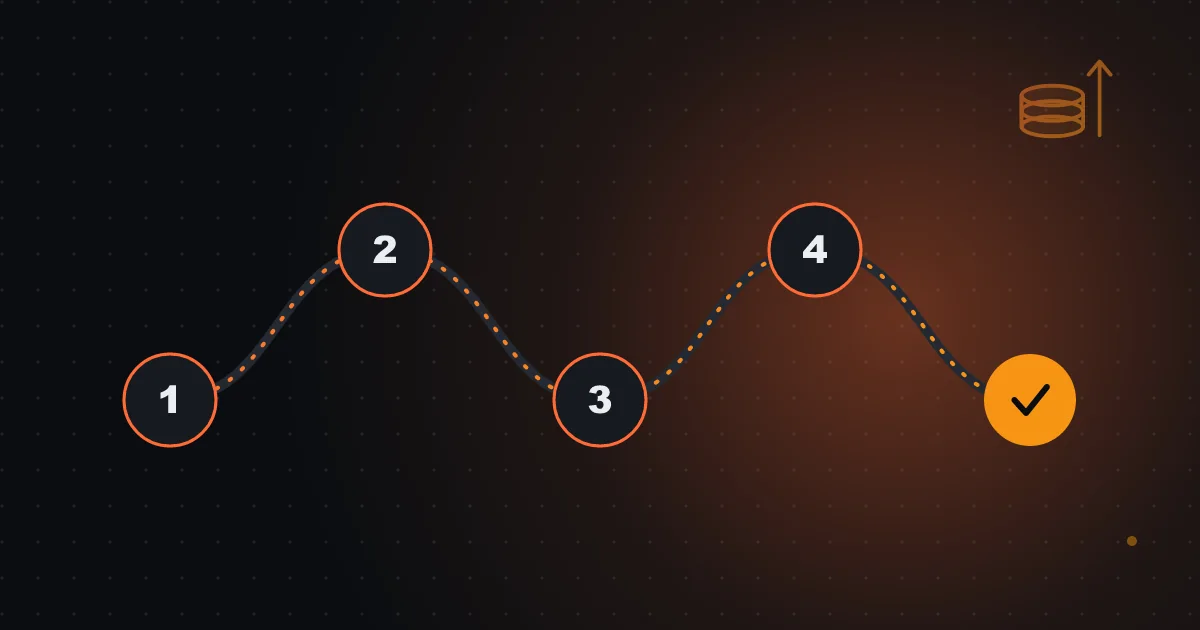
How to calculate the ad budget
- Margin per customer and maximum bearable cost
- Conversions per month to measure and learn
- Estimated cost per conversion
- Budget concentrated in few campaigns
- Scale in steps of 20% to 30%
The maths, with hypothetical numbers
A clinic wants 20 first appointments a month. If 1 in 5 contacts books and each contact costs about 12 euros, then each appointment costs 60 euros and 20 appointments cost 1,200 euros a month in ads. If an appointment is worth 150 euros of margin over time, the maths works. The example is hypothetical; your numbers will differ.
The method is always the same: margin, conversion rate, cost per contact.
The minimums platforms impose
Demand Gen has a minimum daily budget of 5 dollars since 1 April 2026, according to PPC Land. Other campaigns and channels have their practical minimums. In automation channels, very low budgets can prevent delivery and learning. In Amazon Ads, PPC Land mentions a minimum of 100 dollars a day in Full-Funnel Campaigns in the US.
Always confirm platform rules before splitting.

Without the maximum cost per customer, any budget is a guess.
Why splitting too much harms
Ten campaigns of 5 dollars a day add up to 50 a day, but each learns little. The system works better with concentrated volume. For small budgets, prefer few well-fed campaigns to many starving ones, and keep structures simple. This is even more important when lookalikes became suggestions in Demand Gen (March 2026), which reduces fine control.
Simplicity is a competitive advantage.
When the budget is limited: what changed in August
Since 17 August 2026, according to PPC Land, budget-limited Target CPA/ROAS campaigns stopped accumulating surplus and began following targets more closely, and smec’s analysis indicates that the gap between target and result closed in a few weeks. If your campaign is budget-limited, reviewing target and budget together is more important than before.
Don’t keep old targets without testing them.
Context: the Portuguese market invests little in advertising
According to a preliminary study by APAN and Nova SBE, reported by ECO, Portugal invests 0.33% of GDP in advertising, versus the European average of 0.70%. This doesn’t say how much your company should invest; it only shows that the market context is different. In many sectors, competition for paid attention may be lower, in others cost is high.
Use context as backdrop, and your own numbers as the decision.
A three-phase budget plan
Phase 1 (4 to 8 weeks): learning budget, concentrated in one channel, with end-to-end measurement. Phase 2: adjust based on cost per customer and margin; scale what works in steps of 20% to 30%, with time between each step. Phase 3: add a second channel, if justified. Define beforehand when to stop, continue and scale.
The most common mistake is increasing too fast.
Questions for your manager
What is our maximum cost per customer? How many conversions per month do we have? What minimum budget do you propose to learn and why? Which campaigns are budget-limited? How do we scale?
If you want to calculate your company’s budget with your margin and numbers, I can help build the spreadsheet and the three-phase plan.
Frequently asked questions
What is the minimum budget to advertise?
It depends on the cost per customer your margin supports and the conversions you need to measure. Demand Gen requires 5 dollars a day.
Can I start small?
Yes, with one channel and one well-measured campaign. But too little prevents learning.
When should I increase?
When cost per customer is below the ceiling and there’s service capacity. Increase in steps of 20% to 30%.
Sources consulted
- PPC Land: Google to enforce 5 dollar minimum daily budget on Demand Gen campaigns from April
- PPC Land: Google quietly strips lookalikes' hard targeting control in Demand Gen
- PPC Land: budget-limited campaigns lost their 20% ROAS surplus in 3 weeks, smec finds
- ECO: O que falta à publicidade em Portugal? Só 0,33% do PIB é investido
Keep reading
- Google Ads or Meta Ads for an SME in Portugal: how to choose in 2026, with automation and privacy changing
- Capture versus discovery: how to split budget between Search and social without fooling yourself with attribution
- Pages by city and by service: how to structure without duplicate content and use them as ad destinations