There are two roles: capture (catching demand that already exists, mainly Search) and discovery (creating interest, mainly social and video). Last click tends to credit capture and undervalue discovery, which helped create the demand. In October 2026, Google is testing in beta a campaign type attribution in which Demand Gen receives full credit, to measure it separately, which illustrates the problem. The prudent answer is to split budget by function, measure total sales and brand searches, and test contribution with experiments, not only attribution.
Capture and discovery: two functions, not two rivals
Capture is answering those who already search (“urgent plumber”). Discovery is showing yourself to those who don’t search yet but might come to want (a video from a candle brand). If you only invest in capture, you exhaust existing demand and depend on awareness others created. If you only invest in discovery, you create interest you can’t convert.
A healthy business needs both, in proportions depending on its stage.
The last click problem
If a customer sees a video on a social network, later searches the brand name on Google and buys, last click attributes the sale to Search. Discovery looks weak, and budget tends to be cut, which then reduces brand searches. It’s a cycle many accounts go through without noticing.
Looking at brand searches and total sales helps see the effect.
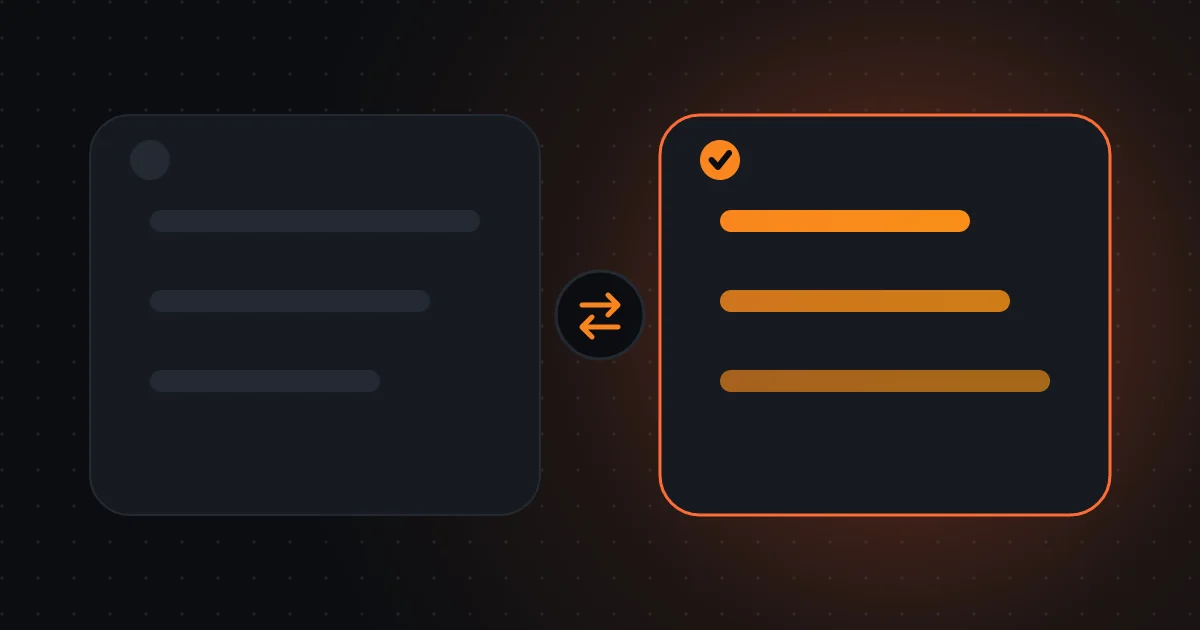
Capture and discovery
Capture
- Answers those who already search
- Search and Shopping
- Wins at last click
Discovery
- Creates interest in those not yet searching
- Video and social networks
- Measured with tests and brand searches
The Demand Gen beta novelty
PPC News Feed recorded, on 16 October 2026, a “by campaign type” attribution in beta, in which Demand Gen receives full credit in the conversion path, instead of sharing it with Search and Performance Max, to measure it separately as done with Meta or TikTok. It requires DDA active and Google Ads conversions or GA Ads-Preferred.
Each view’s full credit adds up to more than real sales: it serves to read the channel, not to add up.
How to split budget, in practice
Common starting point: 60% to 80% in capture (Search and Shopping) and 20% to 40% in discovery and remarketing, adjusting to stage. New or visual-product businesses may have more discovery; urgent-need businesses, less. These ranges are guidelines, not rules; test and measure. Review every two months.
With small budget, concentrate on one function at a time.

Attribution views are clues. Tests are proof.
Measuring discovery without self-deception
Use attribution questions (“how did you hear about us?”), per-channel discount codes, brand searches, direct traffic and total sales, and compare periods with and without a discovery campaign. When possible, run a pause experiment: stop discovery in a region or for two weeks and see the effect. Causality is measured this way.
Attribution views are clues, tests are proof.
Meta in the EU: less data for discovery
In the DMA report, Meta says EU users choose between full and limited personalisation and that limited uses about 90% less data. For discovery, which depended on targeting by interests and behaviours, this puts more weight on creative and message. AI Overviews, on the other hand, cover 88% of commercial searches in a Semrush sample (presence, not clicks), so brand presence in other channels gains importance.
Discovery is no longer a luxury: it’s part of brand defence.
An illustrative example
A cosmetics brand spends 3,000 euros a month: 2,400 on Search and Shopping and 600 on social video. At last click, video looks weak and the brand cuts it. Within two months, brand searches fall 15% and total sales 8%. The example is hypothetical, but describes a common pattern: cutting discovery based only on attribution can cost sales.
A controlled pause would have given the answer before deciding.
Questions for your manager
What percentage of budget is capture and what percentage is discovery? How do we measure discovery’s contribution? Have we run pause experiments? Did brand searches rise when we invested in video? What decision would we take if discovery looks weak at last click?
If you want to design a discovery measurement experiment and a budget split by function, I can help structure it.
Summary in three lines
Capture and discovery are distinct, complementary functions. Last click undervalues discovery. Split budget by function, measure brand searches and total sales and use pause experiments before cutting.
Common mistakes in splitting budget
Cutting discovery for looking weak at last click; investing everything in capture until demand is exhausted; changing the split without recording the date; ignoring seasonality; and not measuring indirect effects. Each mistake leads to wrong budget decisions. A sheet with the split by function, change dates and supporting indicators solves most.
Frequently asked questions
What percentage for discovery?
As a common starting point, 20% to 40% of budget, adjusting to the business stage. Guidelines, not rules.
Can I cut discovery if it looks weak?
First, test with a controlled pause and look at brand searches and total sales.
What is campaign type attribution?
A Google Ads beta in which Demand Gen receives full credit to be measured separately, according to PPC News Feed.
Sources consulted
Keep reading
- How much to invest in ads in an SME: a practical rule, the minimum budget to learn and the minimums platforms impose
- Google Ads or Meta Ads for an SME in Portugal: how to choose in 2026, with automation and privacy changing
- Pages by city and by service: how to structure without duplicate content and use them as ad destinations