
Video is one of the most reusable forms of content: the same video can serve as an ad, a product page element, an answer to a search question and a source of transcript that AI assistants can read. Reusing it with method increases visibility without multiplying production.
The essentials in a definition
Reusing video to gain visibility in ads and AI answers is the practice of using the same content in several formats, with a transcript, chapters and supporting page. It is based on video best practice (Think with Google), accessibility and helpful content.
One video, several uses
A well-thought-out video can be a YouTube ad, organic channel content, a landing-page element and the basis for short cuts in other formats. Each use calls for small adaptations (start, length, subtitles, call to action). Think with Google studies on video can inspire test hypotheses.
Plan reuse before recording, to capture what each format requires.
Make it machine-readable
Automated systems read text better than moving images. Publish a transcript, descriptive title, clear description, chapters and correct subtitles, which also help accessibility. Place the video on a page with supporting text that answers the question, in line with guidance on helpful content.
Avoid videos without written context, which are hard to interpret.
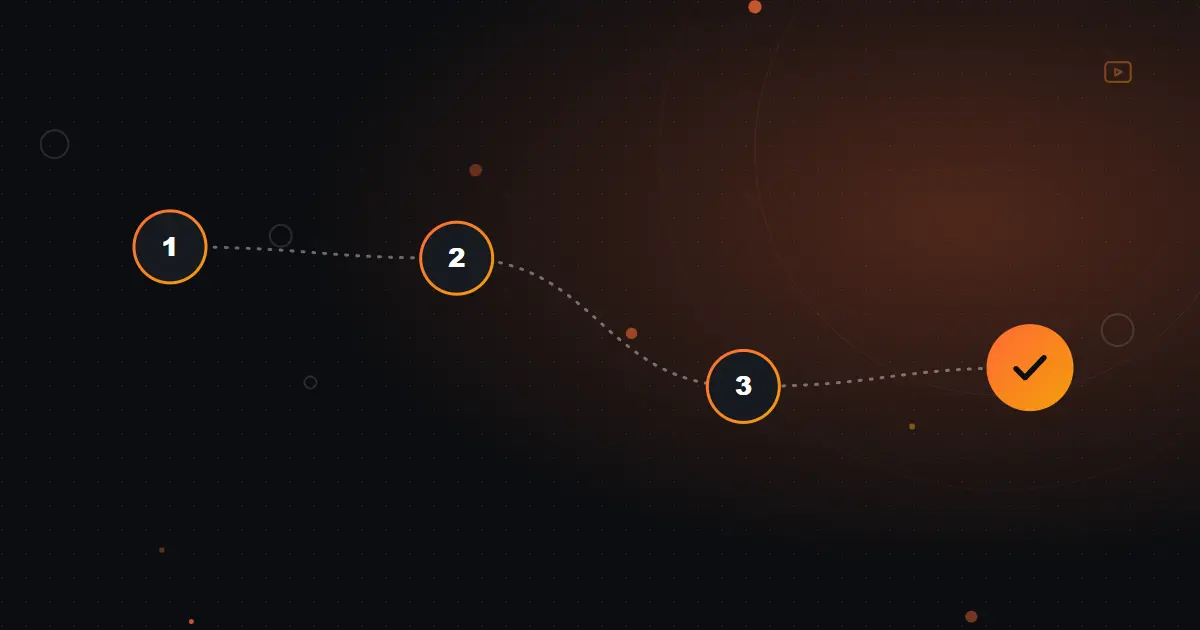
From the same video to several results
- Plan uses before recording
- Publish transcript, chapters and subtitles
- Align ads, page and channel
- Measure retention, visits and requests
Align ads and search
Use the same themes and questions in video ads and organic content, to reinforce the message. Direct ads to pages containing the video and supporting text. Observe the questions and searches the video generates to create new content.
Keep the channel organised, with lists by theme and clear titles.

A video with text around it is read by people and by machines.
Measure the whole
Track useful views, retention, page visits, brand searches, requests and conversions. Periodically test whether assistants and search present your video or related content in relevant answers, without expecting guarantees. Review and update content that becomes outdated.
Record what works to decide new productions.
Decision table
| Element | For people | For machines |
|---|---|---|
| Title and description | Clear and attractive | Descriptive and specific |
| Transcript | Accessibility and quick reading | Interpretable text |
| Chapters | Navigation | Content structure |
| Supporting page | Context and action | Textual answer to the question |
Common mistakes to avoid
- Publishing video without supporting text. Hard for automated systems to interpret.
- Generic descriptions. They do not distinguish the content.
- Not updating. Outdated content harms trust.
How to measure the result
Track retention, page visits, requests and presence of the content in answers, by sampling.
Limits and exceptions
There is no guarantee a video will be shown or cited in answers, and measurement is indirect. Formats and features change. Prioritise the real usefulness of the content and confirm current guidance.
Illustrative example
Illustrative example: an air-conditioning company records a video answering a frequent question. It publishes it on the channel with chapters, on a page with transcript and written answer, and uses two short cuts as ads. It measures visits, quote requests and, periodically, how assistants answer the question.
In practice: checkpoints
Write a short, specific description for each video, with the topic, who it is for and what the person will learn, and publish chapters with timestamps. Link the video to a page on the same topic and reply to comments. Keep a list of videos with the question each answers and the associated page, and review it every quarter to update what has become outdated. Use the same terms in the title, description, transcript and page, so that people and systems can connect them. Measure retention, visits to the supporting page and enquiries, and keep the formats that bring the most useful attention.
Frequently asked questions
Do I need a transcript?
It helps accessibility and machine reading; it is good practice.
Does video guarantee visibility in AI answers?
No; it improves the likelihood when there is clear, useful content around it.
Should I reuse the same ad?
Adapt to each format, keeping the message.
Which questions should I film first?
The most frequent before the purchase decision.
How long does it keep value?
As long as the information is current; review periodically.
Plan video reuse, publish transcript, chapters and a supporting page, align with ads and measure by retention, visits and requests.
Sources and recommended reading
- Think with Google
- web.dev: learn accessibility
- Google Search Central: helpful, reliable, people-first content
Last editorial review: October 2026. Informational content; always confirm current conditions in the official sources before deciding.