With ads arriving on WhatsApp in the EU (Channels and Status, per Meta’s DMA report) and many Portuguese SMEs receiving enquiries by message, measuring conversations becomes essential. The minimum method: record the source of each conversation, classify quality, follow through to sale and compare cost per qualified enquiry between campaigns. It works with a shared sheet and improves with a CRM.
The problem: enquiries nobody knows the source of
A company invests in ads, people click and, instead of filling in a form, open WhatsApp and write. Sales replies, the deal closes or not, and the ad report shows “clicks” without knowing what happened. Or it shows a “WhatsApp click” event that counts a serious person and someone who tapped the button by mistake equally.
The result is that whoever decides the budget optimises for what they see (clicks) and not what matters (qualified conversations and sales). In Portugal, where WhatsApp is a natural contact channel, this mismatch is common and costs money.
Level 1: counting button clicks as an event
The simplest step is to record, in Analytics and ad platforms, an event whenever someone clicks the site’s WhatsApp button. It’s better than nothing, and gives an idea of how many people try to contact you this way. But it has limits: you don’t know how many actually wrote, nor whether they were potential customers.
Use this event as a secondary indicator. If you set it as the primary conversion, the platform optimises for people who tap the button, which may attract browsers. The primary conversion should be closer to a real enquiry.
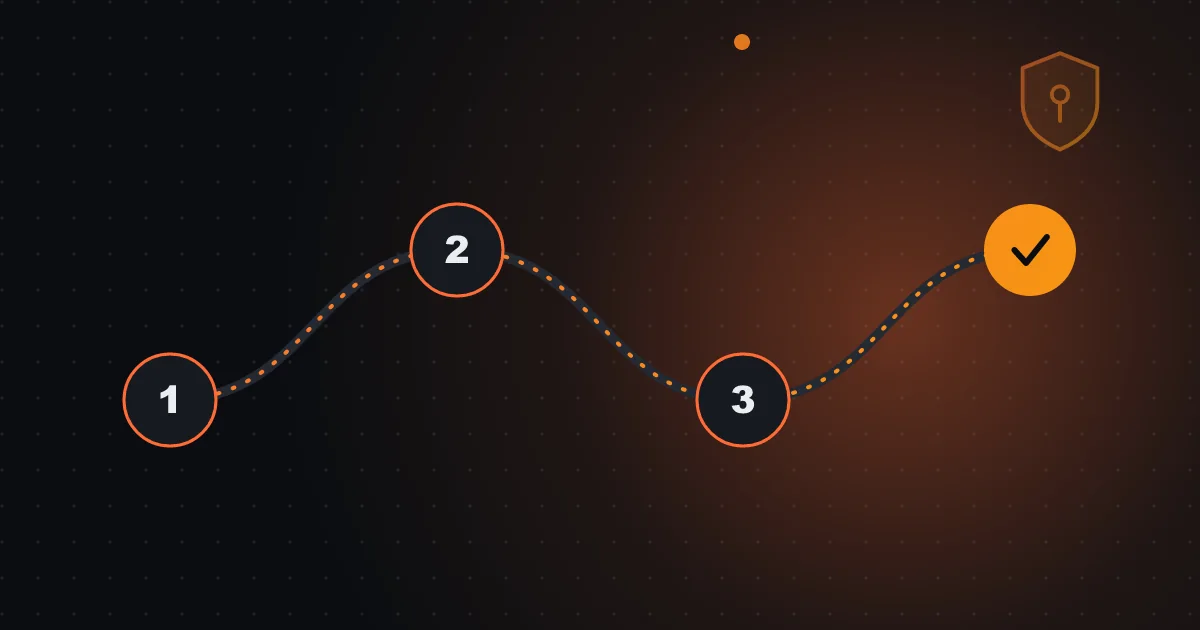
Four levels of message measurement
- Button-click event (secondary indicator)
- Source recorded in each conversation
- Conversation state and quality
- CRM and data returned to platforms
Level 2: recording the source in each conversation
A cheap and effective way is to use a different pre-filled message per campaign or ad. When the person opens WhatsApp, the text already includes a reference (for example, “Hello, I saw the ad about [product] and would like to know more”). Whoever replies sees straight away where it came from and records it in a sheet.
Another option is to ask, in the first reply, “how did you find us?”, with simple options. It isn’t perfect, but it’s much better than not knowing. Over time, the sheet shows which campaigns bring most conversations, and in what proportion they become enquiries and sales.
Level 3: classifying conversation quality
Define three to five states, with simple criteria: browser (asks for generic information), interested (describes a need), qualified (indicates timeline, quantity or budget), proposal sent, closed or lost. Each conversation gets a state, updated by whoever serves.
From there, you calculate cost per qualified conversation and per sale, not just per click. You may discover the cheapest campaign in clicks brings more browsers, and a dearer one brings more qualified. That’s the information that lets you move budget safely.
A tap on the WhatsApp button isn't a customer. It's a question awaiting an answer.
Level 4: linking to a CRM and returning data to platforms
With enough volume, it’s worth using a CRM that records the conversation, source and state, and lets you send qualified enquiries and closed sales to the ad platforms. That way algorithms learn to find people like those who buy, not just those who click.
CRM integration is extra work, quoted separately in management services, and requires care with data protection: what’s stored, for how long and on what legal basis. It isn’t for every SME, but in businesses with a long cycle or high ticket, it usually pays off.
Privacy and good practice on WhatsApp
WhatsApp conversations contain personal data. Inform people about the use you make of the data, keep only what’s necessary, limit who has access and don’t use conversation content for purposes the customer wouldn’t expect. Ask whoever handles data protection in your company how to treat records and deletion requests.
Meta says personal chats remain end-to-end encrypted and aren’t used to personalise ads, per the DMA report. That’s about what Meta does. What you do with the data people send you is your company’s responsibility.
A seven-column sheet template
Date, source (campaign or ad), name or identifier, state (browser, interested, qualified, proposal, closed, lost), estimated or real value, time to first reply, notes. One row per conversation. At month’s end, summarise by source: conversations, qualified, sales, value and cost per qualified.
If volume is small, the sheet is enough for a long time. The habit matters more than the tool. And, if you hire an ad manager, share the sheet with them: it’s the information that lets them optimise for what really matters.
Frequently asked questions
Do I need a CRM to measure WhatsApp?
Not to start. A shared sheet with source and state already gives a lot of information. A CRM pays off with volume and long sales cycles.
Can I use the button click as a conversion?
As a secondary indicator, yes. As a primary conversion, it risks attracting browsers. Prefer a qualified enquiry.
Do WhatsApp ads change this?
They may add another source of conversations. The logic of recording source and quality stays the same.