In B2B, many decisions take months and involve several people. Webinars, demonstrations and bottom-funnel content capture leads who are already evaluating solutions and help move the conversation forward. Used with ads, they generate better-qualified contacts than generic content.
The essentials in a definition
Webinars and bottom-of-funnel content, such as demos, case studies and comparisons, generate B2B leads with long cycles because they help decide. Promoted with ads on channels such as LinkedIn, and measured with registration and attendance events, they let you assess quality by attendance and funnel progress. Think with Google studies help understand decision-makers’ search behaviours.
The role of bottom-funnel content
At the top, content attracts those discovering the problem. At the bottom, content helps those already comparing: case studies, demos, comparisons, implementation guides, Q&A with experts. Those who consume this material are closer to a decision.
It generates less volume but more value per contact.
Webinars and demonstrations
They are formats that show competence, allow questions and build relationships. Choose topics of concrete usefulness, not disguised promotion. Advertise to the right audience with a clear message about what will be learned. Ask for little data at registration and collect the rest during participation.
Record and reuse for those who could not attend.
Bottom-funnel content in B2B
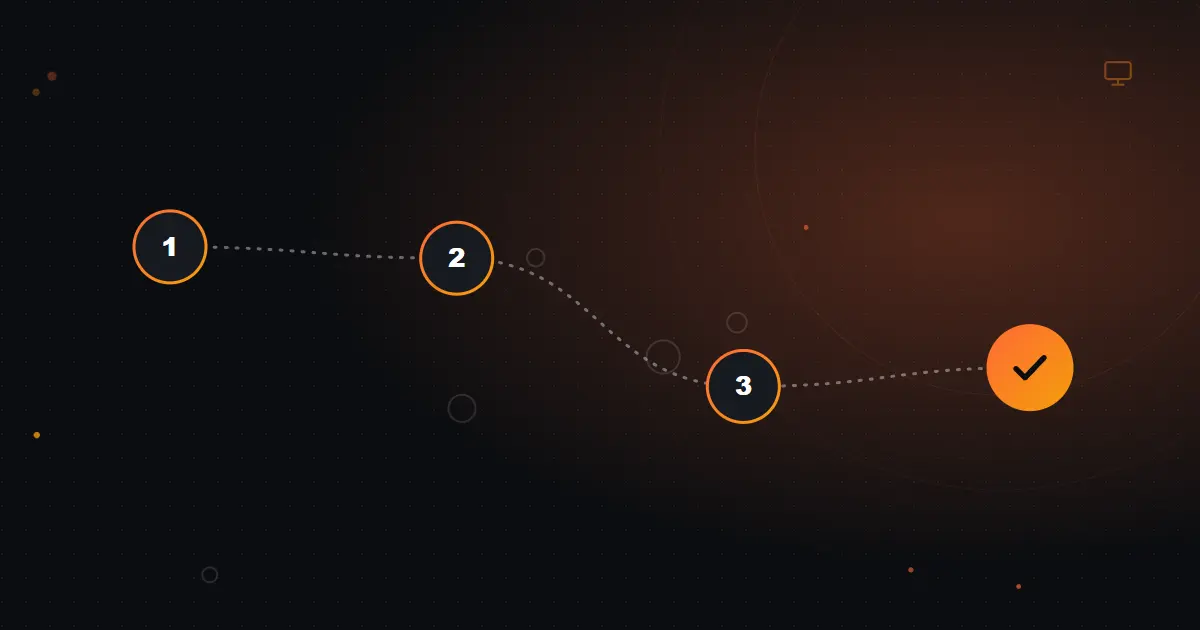
- Choose topics of concrete usefulness
- Invite defined audiences with ads
- Follow up with remarketing and sales contact
- Measure opportunities, not just registrations
Ads and follow-up
Use ads to invite defined audiences (target accounts, recent visitors, lists of similar customers). After the event, run remarketing to those who took part and those who registered but did not attend, with additional content and an invitation to talk.
Coordinate with sales: leads who attended are warmer and deserve quick contact.

In B2B, someone who attends a webinar is already evaluating; treat them as such.
Measuring
Track registrations, attendance, watch time, questions, meeting requests and opportunities generated. Compare cost per lead and per opportunity with other formats. Learn from the topics that attract most.
Update topics according to customers’ real doubts.
Decision table
| Webinar stage | Action | Metric |
|---|---|---|
| Before | Promote and capture registrations | Cost per registration and quality |
| During | Interact and answer | Attendance and interaction |
| After | Send recording and propose next step | Meetings and proposals |
| Reuse | Cut into content and ads | Cost per content and reach |
Common mistakes to avoid
- Counting only registrations. Many do not attend; measure attendance and progress.
- Promotional content. Usefulness builds trust and better leads.
- Not reusing. Each webinar should generate several materials.
How to measure the result
Track registrations, attendance rate, interaction, meetings and proposals per webinar, and cost per meeting against other channels.
Limits and exceptions
Running webinars takes time, content and promotion, and not all audiences take part in live events. Attendance rates vary, and the effect may take time to show in long cycles. Measure by cohorts, accept variable results and prioritise content quality; reuse in video and article form to raise return.
Illustrative example
Illustrative example: a company runs a monthly webinar with a real case and live questions, promotes it with targeted ads and sends the recording to registrants. It measures registrations, attendance and meetings booked in the next two weeks. Attendees convert to meetings at a far higher rate than leads from simple forms.
In practice: checkpoints
Plan the follow-up before the event: send the recording, a short summary and a clear next step, and tag attendees by interest. Measure meetings and opportunities created from the webinar, not only registrations.
Frequently asked questions
Do webinars still work?
They work when the topic is useful and the audience is right.
How much data should I ask at registration?
Little. Collect more during participation and the next conversation.
How do I measure return?
By opportunities and customers generated, not just registrations.
Which format works best?
Real cases, demos and Q&A usually work better than generic presentations.
How do I raise attendance?
With reminders, clear value and sending the recording, respecting consent for communications.
Webinars and bottom-of-funnel content generate better-quality B2B leads when useful, precisely promoted and measured by attendance and funnel progress.
Sources and recommended reading
Last editorial review: October 2026. Informational content; always confirm current conditions in the official sources before deciding.