
With Black Friday on 27 November 2026 and the channel priority controls launched on 14 October, there’s time for a three-week test, as long as you start now. The plan: choose a campaign with volume, define metric and limits beforehand, set up a side-by-side test, assess at the right times and decide whether to use, adjust or discard, all before the peak.
Why test instead of switching on now
The controls are new, sources describe the limits as “best-effort” and there’s no public performance data yet. Switching them on directly in all campaigns, a few weeks before Black Friday, would be betting without information. A short test reduces risk and gives you your own data.
Also remember that, since 17 August, budget-limited campaigns with Target CPA or ROAS chase the target. The combination of two recent changes may interact in ways nobody has documented. Only a test shows what happens in your account.
Week 0: prepare (this week)
Choose a Performance Max, Demand Gen, Shopping or Search campaign with enough volume (dozens of conversions a month) that doesn’t use a campaign total budget. Open the channel performance report and note spend, conversions and ROAS or CPA of each.
Define in writing: the hypothesis (“limiting Display to 10% improves ROAS by 10%”), the metric (real ROAS confirmed with sales), the acceptable loss limit (for example, if ROAS falls 15%, revert), the duration and the decision date.
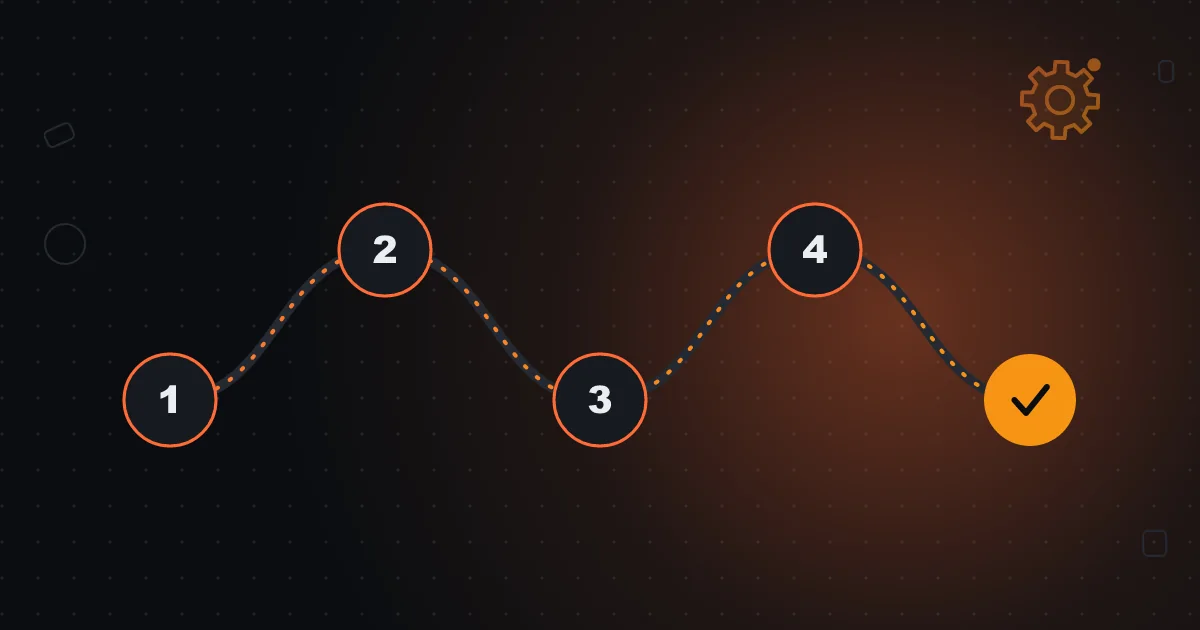
Three-week test before Black Friday
- Week 0: choose campaign, hypothesis, metric and limits
- Week 1: launch the test and touch nothing else
- Week 2: observe, protect and revert if needed
- Week 3: decide (use, adjust, discard)
- By 20 Nov: final configuration for the peak
Week 1: launch the test
The cleanest method is an experiment or two identical campaigns: one with controls on and one without, with the same budget and audience. If you can’t duplicate, apply the controls and compare with the equivalent previous period, knowing the comparison is less reliable.
Change nothing else during the test: not ads, targets or budget. Each change contaminates the reading. Record spend, conversions and cost per result daily, but avoid reacting to isolated days.
Week 2: observe and protect
See the channel report: did spend change as expected? Are high-priority channels receiving budget? Did impression share change? Compare partial results with the defined criteria. If the loss limit is exceeded, revert without hesitation.
A caution: the system needs time to adjust. Google recommends waiting one to two conversion cycles before assessing target changes. If your cycle is short (quick purchases), two weeks give an idea; if long, the test may be inconclusive before Black Friday.

A novelty you haven't tested is added risk in a period when every mistake costs more.
Week 3: decide and prepare for the peak
With the data, choose: use (improved stably and confirmed with real sales), adjust (improved but with side effects, for example less volume), discard (no difference or worse). Record the decision and reason. If using, set daily spend limits for the peak and pause rules.
If the test is inconclusive, the prudent decision is to keep the configuration you know for Black Friday and repeat the test in January, with less pressure.
Metrics and pitfalls
Use real ROAS or cost per acquisition confirmed with sales, not just platform numbers. See revenue and margin, not just percentages. Avoid comparing weeks with and without promotions, or with and without price changes.
Pitfalls: concluding on day three, ignoring pre-Black Friday seasonality, changing several parameters at once, trusting a single report and forgetting operations (stock, delivery). Write the list on a sheet and consult it before deciding.
A test sheet template
Hypothesis, campaign, controls configuration, budget, metric, loss limit, duration, start date, decision date, result, decision, owner. Twelve fields that fit on one page and avoid “I thought” arguments. Keep it with the account’s other decisions.
If you wish, send me your account’s channel report and I’ll help choose the campaign and design the test, without promising results.
What to record to learn, even if the test fails
A failed test also teaches, if documented: which channels gained or lost priority, how spend redistributed, what effect it had on cost per result, how long the system took to stabilise and what configuration mistakes you made. Keep the sheet, screenshots of the channel report and the conclusions.
When Google changes these controls again, and it will, you’ll have your own knowledge base on how your account reacts. It’s an asset no platform sells you and that saves time in every later change.
If you don't have time for the full test
Do the minimal version: one campaign, one change (for example low priority and a 10% limit for the channel with the worst ROAS), two weeks, one clear reversal rule. It’s better than not testing and better than switching on everywhere. You record, measure and decide. After Black Friday, repeat more calmly.
Frequently asked questions
Is there still time to test?
Yes, if you start this week: three weeks is enough for campaigns with reasonable volume. With low volume, the test may be inconclusive.
What if I don't have budget for two campaigns?
Compare equivalent periods carefully and accept the conclusion is more fragile. Or postpone to January.
Should I switch the controls on for Black Friday?
Only if you’ve tested them. An untested novelty is added risk in an expensive period.