
With October 2026 data, the prudent answer for most Portuguese SMEs is: not yet, unless six criteria are met. Confirmed availability in Portugal, an audience that uses the plans with ads, feasible measurement, a test budget you can afford to lose, control over what’s published and a clear question the test answers. If one fails, wait.
Criterion 1: is the channel available to you?
On 21 October 2026, OpenAI announced 89 countries with ads on ChatGPT, but only named 11 of the 26 new ones, and Portugal isn’t listed. The August European expansion covered 31 markets, with no list published in the sources I consulted. If you can’t open an Ads Manager account with your entity and currency, the test doesn’t even start.
Check on the official site and, if possible, with a partner. If the answer is no, the criterion fails and it’s pointless to spend time on the rest for now.
Criterion 2: is your audience there?
ChatGPT ads appear only on the Free and Go plans, and ChatGPT has over 1.2 billion weekly users, according to the report. But the question isn’t the total, it’s whether your ideal customers use an AI assistant to search for what you sell. Ask them: “how did you look for suppliers?”.
Businesses where people ask complex questions before deciding (software, professional services, technical products, travel) tend to fit better. Impulse or very local purchases, less so. But that’s a hypothesis: only your survey and data confirm it.
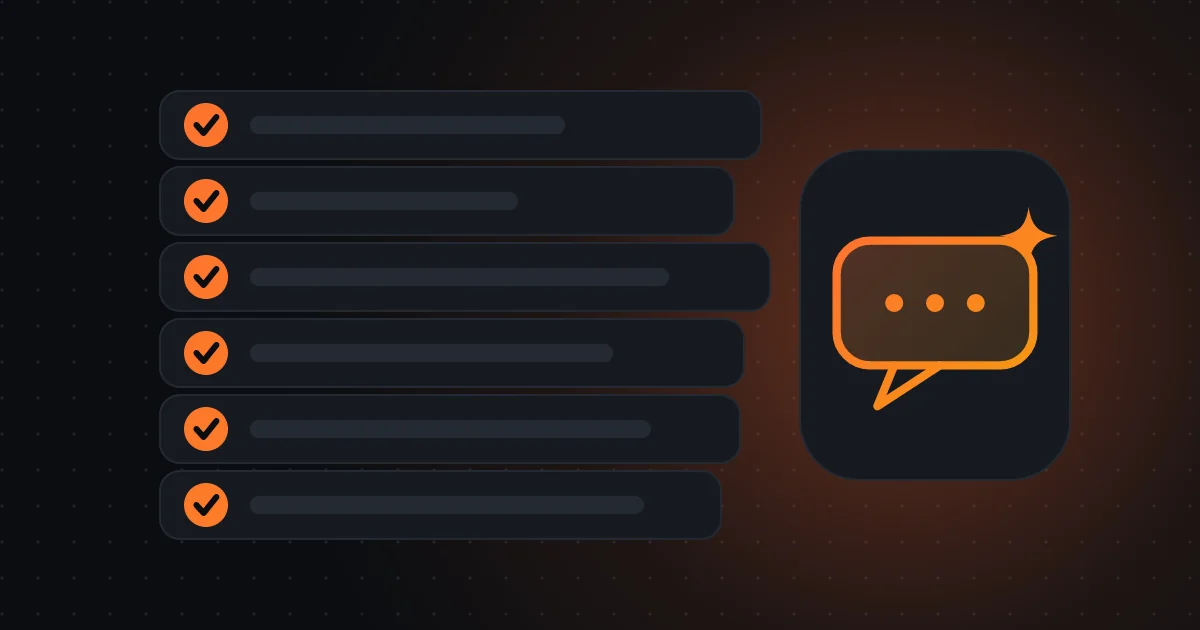
Six criteria before testing ChatGPT Ads
- Channel available for your entity and country
- Your audience uses the plans with ads
- You can measure real enquiries
- A test budget you can lose
- Control over what’s published
- A clear question the test answers
Criterion 3: can you measure?
Without measurement, a test is just expense. Confirm the channel allows tagging links with UTMs, recording conversion events and, ideally, sending qualified-enquiry data. In the US there are a pixel and Conversions API; for Portugal there’s no confirmation.
If measurement is weak, real cost per result will be hard to determine, and the decision will rest on impressions. In that case, either limit the test to a minimum budget and a qualitative question, or wait.
Criterion 4: a test budget you can lose
Set a ceiling you can lose without harming the business, for example a small fraction of the acquisition budget. Calculate how many results you need to decide (20 to 30) and the maximum cost you can pay for each. If the ceiling doesn’t reach those results at your maximum cost, the test won’t conclude.
Remember that, on ChatGPT Ads, daily budgets became seven-day averages and automated bidding is the default. One day’s spend may exceed the set value. So also set a weekly limit.

If nobody can write the test question, it isn't time to test.
Criterion 5: control over what's published
On 30 October, creative enhancements switch on by default and may rewrite text, translate, resize images and change the click destination. If you don’t accept this, you must turn them off, and you must check published ads. If your sector is regulated, control is indispensable.
Without control, the test stops measuring your ad and starts measuring that of a machine that rewrote it. Results, good or bad, are no longer attributable to your message.
Criterion 6: a clear question
A good test answers a question: “can I get qualified enquiries below X euros on this channel?”. Define the question, the metric, the duration and the decision (keep, scale, stop) before starting. Without this, the test becomes an endless experiment.
Write it in one line and share it with whoever runs the account. If nobody can write the question, it isn’t time to test.
Scoring and decision
Give 0 or 1 to each criterion. With 6 points, go ahead with a small, well-defined test. With 4 or 5, solve what’s missing before spending. With fewer than 4, wait and concentrate on channels you already measure well. The score doesn’t decide by itself, but makes the decision less emotional.
For most Portuguese SMEs, in October 2026, the first criterion (availability in Portugal) isn’t yet confirmed. The rational decision is to follow, prepare measurement and wait.
An example of a decision, step by step
A Portuguese company selling practice-management software for clinics scores: availability (0, unconfirmed), audience (1, decision-makers ask assistants), measurement (1, has UTMs and CRM), budget (1), control (1), question (1). Total: 5. The decision is to wait for availability confirmation, and meanwhile prepare everything else, so it can start within days when the channel opens.
Another company, a bakery with a local online shop, scores 2: the audience is local, measurement is weak and there’s no clear question. The decision is to ignore the channel for now and invest in local search and Google Business Profile. Both examples are illustrative, but show that the same news leads to different decisions.
The cost of waiting is low
On a new channel, the cost of waiting three to six months is small, because prices and rules still change fast and public data is scarce. The cost of entering too early, without measurement and criteria, is spending money to learn what others will publish for free. Whoever follows with discipline arrives with an advantage without paying the pioneer’s price.
Frequently asked questions
What is the general recommendation?
Follow, prepare measurement and wait for confirmed availability in Portugal. Test only if you meet the six criteria.
What if my competitors already advertise?
It isn’t a reason to spend without criteria. Being a pioneer only pays off if you learn at low cost and with measurement.
How much should I spend on the test?
What you can afford to lose, calculated from your maximum cost per result and the number of results needed to decide.