Simple remarketing shows the same ad to all visitors for weeks. Step-based remarketing adapts the message to the stage each person is at: viewed a product, abandoned the cart, bought, about to repurchase. It is more relevant, less tiring and usually earns more.
The essentials in a definition
Multi-step remarketing follows the visitor with different messages depending on the stage: who viewed content, who viewed a product, who started a cart, who already bought. Instead of repeating the same ad, each step answers a doubt. It depends on valid consent and reliable measurement: see Consent Mode, the GDPR and key events.
From the same ad for everyone to a journey
Someone who viewed a category page is not at the same point as someone who abandoned checkout. Showing both the same message wastes opportunity and annoys. Define stages and a message of their own for each, with time windows and clear exclusions.
The aim is to accompany the decision, not to chase.
Typical steps
Stage 1 (visited): remind of the brand and value proposition, with useful content. Stage 2 (interested): show viewed products, proof and reviews. Stage 3 (nearly bought): resolve objections, lead times, returns, support. Stage 4 (bought): complements, help, repurchase, referral. Each stage excludes the earlier and later ones.
Adapt to the length of the decision cycle.
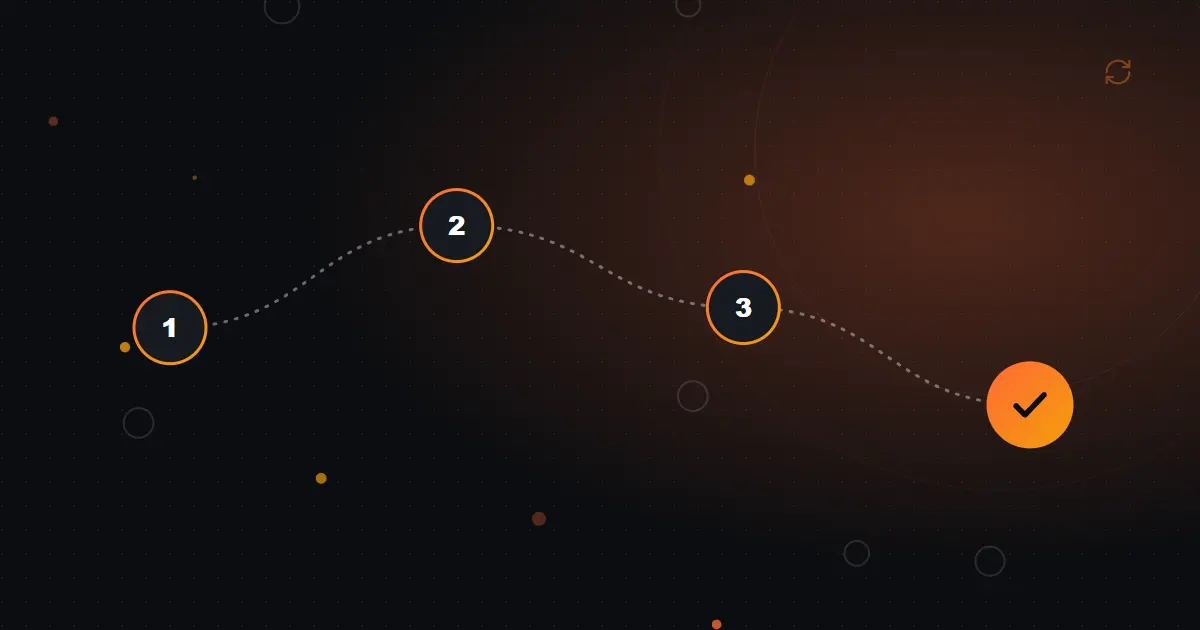
Remarketing by journey stage
- Visited: remind of value and content
- Interested: viewed products and proof
- Nearly bought: resolve objections
- Bought: complements and repurchase
Frequency and windows
Define frequency limits and short windows for those near the decision and longer ones for early interest. Exclude recent buyers from acquisition ads. Stop when the person is no longer relevant. Check saturation with frequency and return.
More exposure is not always better.

Following the person’s decision persuades; chasing only tires.
Measuring real value
Remarketing catches people who already have intent, so part of the conversions would happen without it. Use control groups or tests to estimate the incremental effect. Compare margin, not only attributed conversions. Readjust budgets by what it adds.
The best remarketing is useful to whoever sees it.
Decision table
| Stage | Message | Typical window |
|---|---|---|
| Visited content | Go deeper with a useful guide | Short to medium |
| Viewed product | Proof and benefits | Short |
| Started cart | Remove doubts: shipping, returns | Very short |
| Customer | Add-on, replenishment, review request | According to purchase cycle |
Common mistakes to avoid
- Chasing the buyer after purchase. Showing the product already bought irritates and wastes.
- Windows that are too long. Interest expires and frequency tires.
- Ignoring consent. Without a legal basis, you should not use the data.
How to measure the result
Compare cost per purchase, frequency per person, conversion rate per segment and negative feedback.
Limits and exceptions
Reduced data availability from consent and browser restrictions makes remarketing less comprehensive. Attribution is uncertain, and some purchases would happen anyway. Test incrementality before assuming remarketing causes the sale.
Illustrative example
Illustrative example: a furniture store creates three segments: visited content, viewed product and started cart. Each receives a different creative, with a frequency cap. It excludes buyers and creates a customer segment to suggest add-ons two weeks later. It compares cost per purchase with the previous approach.
In practice: checkpoints
Document each step of the sequence with its audience, window, message and metric, and review the logic every three months. Use a clear exclusion logic so people move forward and are not shown earlier steps, set frequency caps and compare the whole sequence against a simpler approach. Include a step after purchase for support and reorders, and respect consent throughout. Keep the creative fresh, since long sequences show the same ads to the same people for weeks, and attention falls quickly when nothing new is offered.
Frequently asked questions
How many stages should I have?
As many as your cycle justifies. Three to four is usually enough.
How long should each window be?
It depends on the purchase cycle. Shorter near the decision.
Is remarketing incremental?
Partly. Test with control groups.
How many steps should I use?
Few, with enough volume per segment; start with three or four.
How do I respect privacy?
With valid consent, clear information and data used only for the stated purposes.
In stepped remarketing, adapt the message to the stage, cap frequency, exclude buyers and respect consent.
Sources and recommended reading
- Analytics Help: key events
- Google for Developers: set up consent mode
- General Data Protection Regulation (GDPR)
Last editorial review: October 2026. Informational content; always confirm current conditions in the official sources before deciding.