Direct traffic and dark social (private sharing via messages, emails and apps) hide the real source of many visits. Understanding what they conceal helps avoid underestimating channels that prepare demand and over-crediting what shows as direct.
The essentials in a definition
Direct traffic and dark social are visits with no identifiable source: people who type the address, use bookmarks or arrive through links shared in private messages and apps that pass no source information. They hide the effect of referrals and campaigns. Reducing them requires tagged links, dedicated short links and surveys, besides GA4 data and studies such as those of Think with Google.
What direct traffic is in practice
In theory it is people who type the address or use a bookmark. In practice it includes visits from messaging apps, email links without parameters, documents, some mobile apps and sessions where the source is lost.
That is why direct is usually bigger than expected and works as a “don’t know” category.
Dark social
It is the sharing of links in private channels: WhatsApp, Messenger, SMS, email, work messages. The recipient visits the site but analytics cannot see the origin. It is especially important for useful or recommended content.
It grows with the preference for private conversations over open posts.
Getting closer to the source of direct traffic
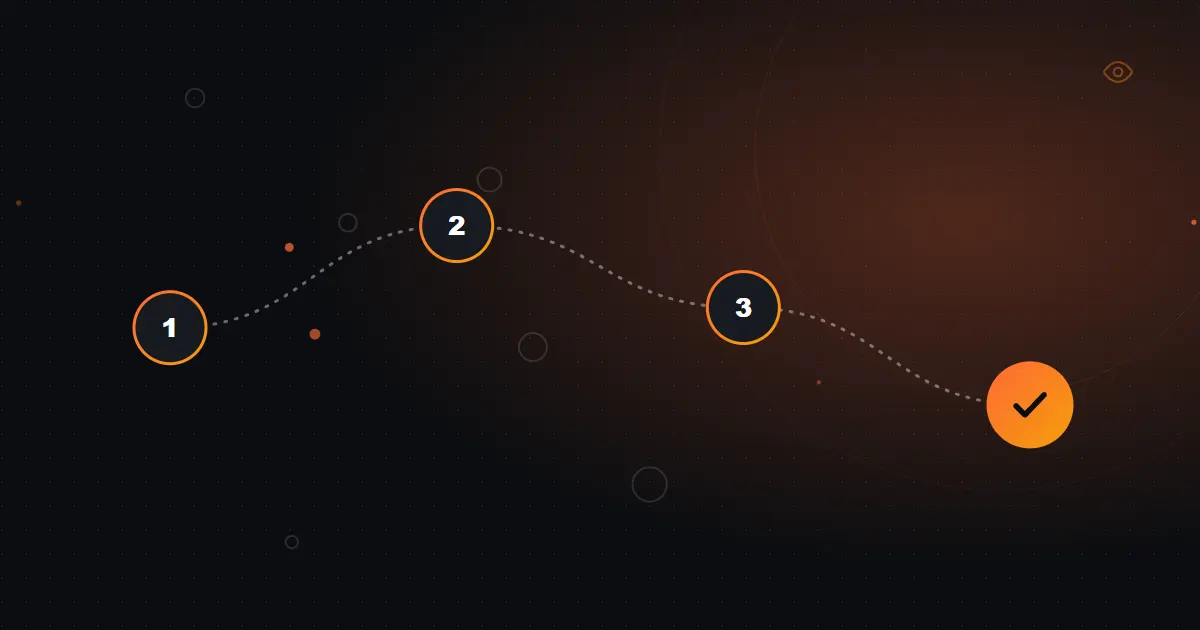
- Tag everything you control with UTMs
- Use tagged links on share buttons
- Ask how did you hear about us
- Cross-check direct peaks with brand activity
How to get closer to the truth
Use UTM parameters on everything you control. Offer share buttons with tagged links. On key landing pages, use short, dedicated addresses for offline campaigns. Ask how did you hear about us.
Compare direct with campaign and event peaks. If it rises after a brand action, part of it is probably an effect of that action.

Direct traffic is often the elegant name for we do not know.
How to decide
Avoid cutting discovery channels just because direct appears to explain many visits. Also avoid attributing to direct an origin you do not know. Use tests and indirect indicators to decide.
Accept that part of the path is invisible, and plan with a safety margin.
Decision table
| Hidden source | Typical cause | How to approximate |
|---|---|---|
| Direct | Typed address, bookmarks, untagged links | Tag everything you control |
| Dark social | Links shared in private messages | Dedicated short links per campaign |
| Apps without source | In-app browsers that send no source | Specific landing pages |
| Offline | Radio, events, word of mouth | Codes and source survey |
Common mistakes to avoid
- Ignoring direct. Part is generated by campaigns and earlier recommendations.
- Tagging public links misleadingly. Mind privacy and do not expose personal data in parameters.
- Expecting to eliminate the problem. It can only be reduced; the aim is to estimate the order of magnitude.
How to measure the result
Track the proportion of direct and “unassigned” traffic over time, visits to dedicated pages and answers to the source survey.
Limits and exceptions
Direct traffic and dark social will never be eliminated, and apps and browsers change how they pass the source. Estimating their size requires assumptions, and surveys have biases. Concentrate on reducing what is avoidable (missing tags) and understanding the rest through indirect indicators, instead of trying to attribute each visit to an exact origin.
Illustrative example
Illustrative example: a brand notices direct traffic rises after video campaigns. It creates a short, memorable landing page for each campaign and adds the source question at checkout. Part of “direct” traffic is now attributed to the campaign, and the brand sees video had more effect than reports showed.
Frequently asked questions
Is direct traffic the most valuable?
Not necessarily. Much of it has an unknown origin.
What is dark social?
Private sharing of links in messages and emails, with no identifiable source.
How do I reduce unattributed direct?
By tagging links, using dedicated addresses and asking customers.
What is dark social?
Shares in private channels (messages, emails) that pass no source, so they appear as direct traffic.
Can I eliminate direct traffic?
Not completely; you can reduce it with tags, dedicated pages and surveys, and estimate the rest.
Direct traffic and dark social hide referrals and campaigns; tagged links, dedicated pages and a source survey bring the analysis closer to reality.
Sources and recommended reading
Last editorial review: October 2026. Informational content; always confirm current conditions in the official sources before deciding.