Citable content is content a person or system can easily extract, understand and attribute. On pages written for GEO, this means direct answers, clear definitions, facts with sources, predictable structure and visible authorship. Writing to be cited and writing to help readers coincide in almost everything.
The essentials in a definition
Citable content is content with a direct answer, clear structure, facts with sources and visible authorship, which people and systems can extract and attribute. It rests on helpful content guidance, faithful structured data and review of AI-generated content.
Answer first
Begin with the answer to the page’s question in two or three sentences, before the context. Systems extracting snippets and readers in a hurry find the essentials at once. Use a title that is the exact question or topic, and subheadings announcing what each section answers. Guidance on helpful content reinforces this clarity and priority to the reader.
After the answer, develop: reasons, examples, exceptions.
Structure for extraction
Use lists and tables when comparing, numbered steps for processes, short highlighted definitions and a summary paragraph to cite. Self-contained sentences, which make sense out of context, are easier to cite. Keep one idea per paragraph and avoid vague references (“as seen above”).
Add appropriate, faithful structured data, such as article and FAQ, where it makes sense.
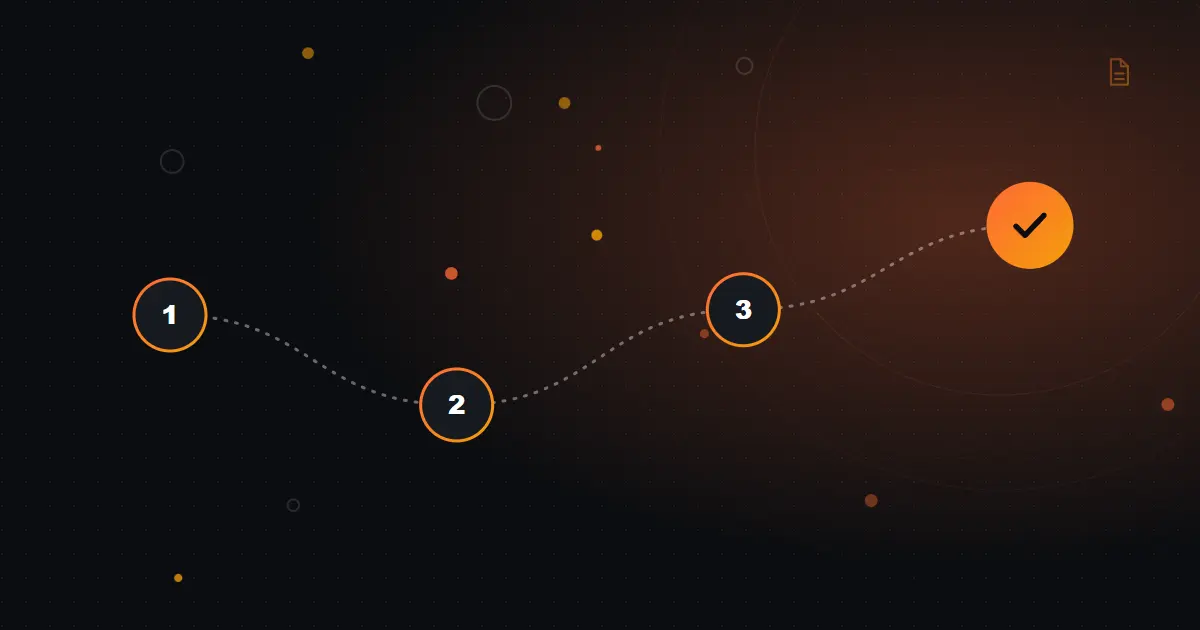
A page written to be cited
- Answer right at the start
- Structure with lists, tables and definitions
- Show authorship, date and sources
- Test citation and improve
Verifiable credibility
State who writes, their experience and when the text was reviewed. Cite reliable sources for relevant claims, with links. Distinguish facts from opinion and note limitations and exceptions. Avoid exaggeration and statistics without origin. Content generated with AI help must be reviewed and verified, in line with guidance on AI-generated content.
Update pages with time-sensitive information.

What is easy to cite is, almost always, easy to read.
Test and iterate
Ask assistants the questions the page answers and see whether the content is cited or summarised correctly. If not, look for the cause: hidden answer, confusing structure, lack of source, page hard to access. Improve and test again. Results vary, so track trends.
Prioritise pages of highest commercial value.
Decision table
| Element | Good practice | Why |
|---|---|---|
| Introduction | Answer in two to three sentences | Easy extraction |
| Structure | Lists, tables, steps | Clarity and comparison |
| Sources | Links to reliable sources | Verifiability |
| Authorship and date | Visible and real | Trust and currency |
Common mistakes to avoid
- Answer hidden at the end. It hampers extraction and reading.
- Claims without sources. Less credibility.
- Context-dependent sentences. They do not work cited in isolation.
How to measure the result
Track visits, reading time, citations in answer samples and enquiries.
Limits and exceptions
Systems choose sources by criteria you do not control, and citation is not guaranteed. Structure without substance does not solve it. Always prioritise usefulness to the reader.
Illustrative example
Illustrative example: a consultancy rewrites its page on “how to calculate cost per lead”: it begins with the formula and an example, follows with a criteria table, cites sources and states the author and review date. When testing the question in assistants, the page comes to be summarised with the correct formula.
In practice: checkpoints
Test the page by reading only the first paragraph and the subheadings: the main message should be clear. Ask a colleague to summarise the page in two sentences, compare their summary with your intention and revise where they differ. Add the date of the last review and the name of the author, keep links to sources working and check the page on a phone. Revisit your most valuable pages every quarter and update examples, figures and screenshots, since fresh, accurate content is both more useful to readers and easier to cite.
Frequently asked questions
Does writing for AI harm the reader?
No; good practices coincide: clarity, structure and sources.
Do I need structured data?
It helps, but visible, useful content is the essential.
Can I use AI to write?
You can, with rigorous human review and fact-checking.
What length should I use?
What is needed to answer well; depth with structure.
How do I know it is citable?
By testing the question in assistants and checking the summary is correct.
Write to be cited: direct answer, clear structure, facts with sources, visible authorship and date, and test extraction in assistants.
Sources and recommended reading
- Google Search Central: helpful, reliable, people-first content
- Google Search Central: intro to structured data
- Google Search Central: generative AI content guidance
Last editorial review: October 2026. Informational content; always confirm current conditions in the official sources before deciding.