
In solar and renovation, a customer is worth thousands of euros and the cycle is long, so cost per contact is secondary to cost per accepted quote. Structure Search by service and area, qualify contacts with forms (Google Ads lets you mark answers as qualifying, according to PPC News Feed), reply in hours, connect the CRM and measure site visits, quotes sent and accepted. In 2026: AI Max widening searches (Search Engine Land) and call-only ads ending in February 2027 (compilation). Take care with promises of savings and subsidies, which must be true and verifiable.
What's different in high-ticket projects
The customer requests several quotes, compares brands and deadlines, asks acquaintances and decides after weeks. Trust, references and shown works weigh. A customer’s value justifies paying more per contact, but only if the contact is qualified and well handled.
Whoever answers first and best often wins the project.
Search structure by service and area
Campaigns by service (solar panels, battery, kitchen renovation, bathroom, insulation, windows) and by operating area, with intent keywords (“solar panel installation Porto”, “bathroom renovation quote”) and specific pages. Exclude job, DIY, course and “free” terms. Set location in the real service area.
A common mistake is advertising nationwide a service provided only in one region.
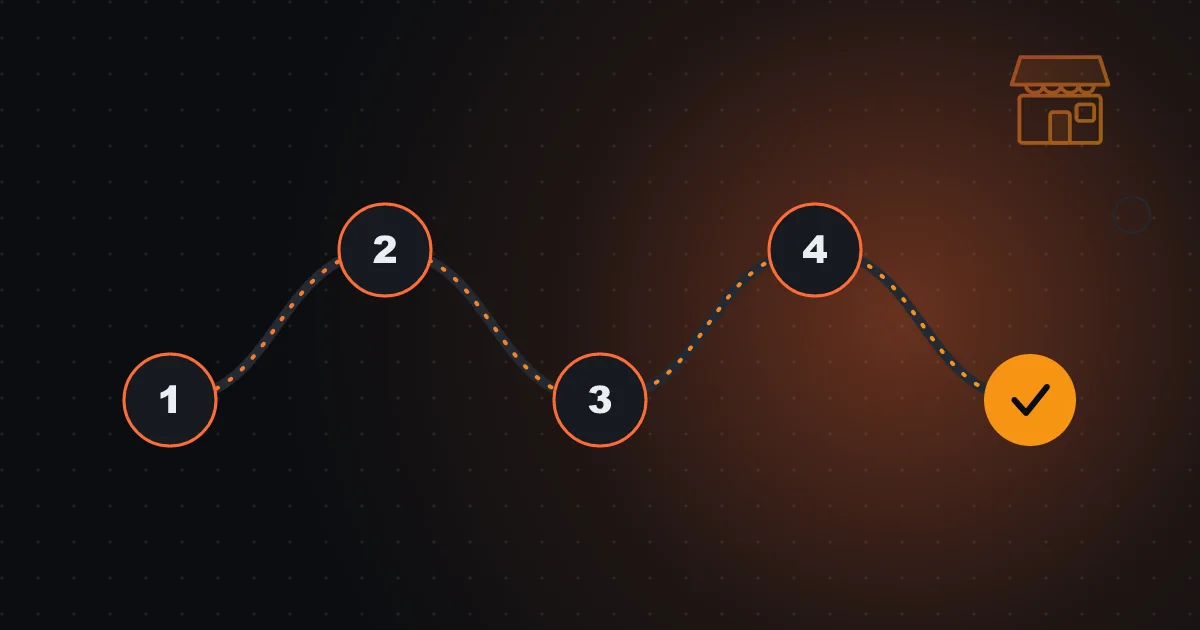
Solar and renovation: from click to job
- Search by service and real area
- Qualifying form
- Response in hours and site visit
- Quote sent and followed up
- Closed project recorded in the CRM
AI Max: widens, but may waste
According to Search Engine Land, Google migrates eligible campaigns to AI Max since 1 September, which widens the searches reached. In works, it may bring “make solar panels at home”, “installer job” or searches for other services. Configure location, brand exclusions, text guidelines and negatives, and review terms weekly.
AI Max’s 50/50 experiments allow testing with control.
Qualifying contacts with forms
Use simple questions: property type, location, timeline, approximate budget, whether owner. Google Ads lets you mark answers as qualifying, according to PPC News Feed. This helps prioritise those with a real project. Explain in the form what happens next (technical visit, study, free quote).
Ask only what’s necessary; long forms scare off.

Whoever answers first and best often wins the project.
Quick response and sales process
In works, the first to respond has an advantage. Define who answers, in how long (for example two business hours), with what script and how the site visit is booked. Record each contact in the CRM. Follow up with calls and messages, and send the quote quickly and clearly.
A good sales process multiplies ad return.
Measuring site visits, quotes and closing
Indicators that matter: qualified contacts, site visits done, quotes sent, quotes accepted, value per project and cost per closed project. Connect offline conversions to platforms (with consent) to optimise for real projects; Google Ads Data Manager stops requiring hashing on 16 November, according to PPC News Feed.
Compare close rate source by source: some channels may bring many browsers.
Promises of savings and subsidies: only what's true
In solar, it’s tempting to promise savings and payback in years, and to mention public subsidies. Any claim must be true, verifiable, with clear assumptions and up to date; subsidies change and have conditions. Seek legal advice and confirm advertising and consumer protection rules. Avoid numbers without source.
A wrong promise creates disputes and reputation loss.
Social proof: real works and reviews
Show real works (with customers’ authorisation), true before-and-afters, certifications, insurance and warranties, and genuine reviews. A short video of a completed installation, with the customer explaining (authorised), is worth more than text. Keep the Google Business Profile updated.
The proof of a well-done job is the best ad.
Summary and questions for your manager
Summary: Search by service and area, controlled AI Max, qualifying forms, quick response, measurement through to accepted quote and true promises. Questions: how much does a closed project cost? What close rate do qualifying leads have? How long do we take to respond? Which terms did AI Max bring?
If you want to review your solar or renovation ads with focus on closed projects, I can help build the plan and measurement.
Summary in three lines
In solar and renovation, what counts is the closed project. Structure by service and real area, qualify contacts, respond in hours and measure site visits and accepted quotes. State only true savings and subsidies.
An illustrative installer funnel example
A solar panel installer in Setúbal receives 50 contacts a month: 20 qualified, 12 site visits, 8 quotes sent and 3 accepted, with an average value of 7,000 euros and 25% margin. With 1,800 euros of ads a month, cost per closed project is 600 euros, for a margin of 1,750 euros per project. The example is hypothetical. It realises the bottleneck is between contact and visit, and improves response speed.
The full funnel shows where to act.
Frequently asked questions
How much should I pay per contact in solar?
It depends on project value and close rate. Calculate cost per closed project, not just per contact.
Can I promise savings?
Only if true and verifiable, with clear assumptions. Seek legal advice.
Does AI Max suit works?
It may capture useful searches, but requires area, negatives and term review.
Sources consulted
Keep reading
- Ads for insurance and credit in Portugal in 2026: sensitive categories, quality leads and careful data
- Ads for gyms and wellness in Portugal in 2026: creators, vertical video, sign-up offers and retention
- Ads for travel agencies and tour operators in Portugal in 2026: Travel campaigns, languages and direct bookings