This article is not legal advice. According to the sources consulted, Portugal’s Advertising Code requires advertising to be identifiable (article 8), provides joint civil liability for advertisers, agencies and other participants (article 30) and fines that, at the values indicated, range from 1,750 to 45,000 euros depending on the offender (article 34). With Meta’s new terms, which make the advertiser responsible for AI content, treat the published ad as your own, because in practice it is.
The starting point: Meta's new terms
From 30 October 2026, Meta’s Commercial Terms make the advertiser solely responsible for what AI features create or change in ads, including those Meta switches on by itself, according to PPC Land’s report. Meta admits AI can err. For the Portuguese advertiser, this raises a question the contract with Meta doesn’t resolve: under the law of the country where the consumer is, who answers for a misleading text in an ad?
The full answer needs a lawyer. What can be done here is to indicate what the Portuguese sources consulted say about the general rules, so you understand the framework and the questions to ask.
Identifiability and truthfulness: what the sources say
According to the sources consulted, the constitutional basis is article 60 of the Constitution, which prohibits hidden, indirect or deceptive advertising. Article 8 of the Advertising Code enshrines the principle of identifiability: advertising must be clearly identified as such. The same sources say advertising must be truthful and that testimonials must rest on genuine, verifiable statements (article 15).
For ads with AI, this means a generated sentence, an “enhanced” image or a translation promising more than the product offers may run against these principles. It doesn’t matter who wrote the sentence: the ad belongs to the brand shown in it.
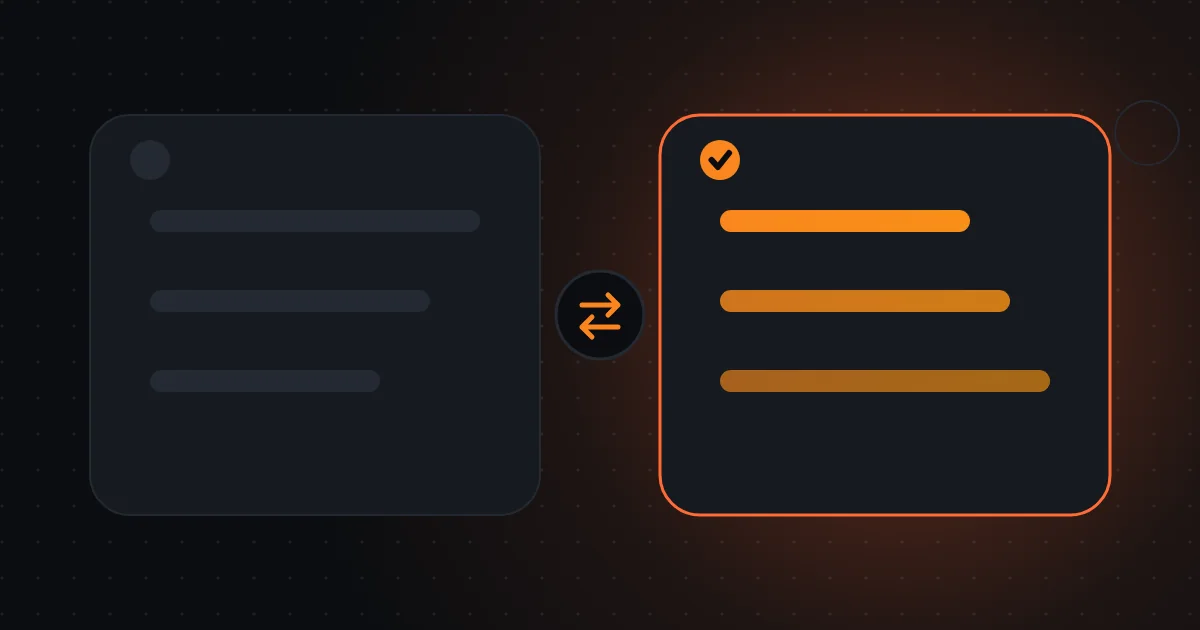
Who answers for an ad made with AI?
In practice
- The advertiser, per Meta’s terms
- Meta’s cap: 100 USD or 12 months of fees
- The end customer complains to the brand
According to Portuguese sources
- Identifiability of advertising (art. 8)
- Joint liability (art. 30)
- Fines provided for (art. 34)
Joint liability: advertiser, agency and media
Article 30, according to the sources, provides joint civil liability for advertisers, professionals, advertising agencies and any other entities engaged in advertising, as well as the holders of the media used or their concessionaires. Joint liability means, in general terms, that the injured party can claim against any one of those responsible.
This has a practical consequence for anyone hiring an ad manager: the existence of an agency or freelancer doesn’t remove responsibility from the company. And the existence of a platform that automates doesn’t either. That’s why an internal review policy isn’t bureaucracy; it’s risk management.
Fines: what the sources indicate
The sources consulted indicate, for article 34, fines of 1,750 to 3,750 euros or 3,500 to 45,000 euros, depending on whether the offender is an individual or a legal entity. I could not confirm the updated text of the article in the Diário da República nor how each bracket applies, so these values should be seen as an indication, not an official table.
What can be said with confidence is that a sanctions regime exists and that enforcement bodies, such as ASAE, are mentioned in the sources for the illegal advertising side. Before any decision, confirm the text in force and ask for legal advice.

The ad belongs to the brand shown in it, not to the machine that wrote it.
What to do in practice, without waiting for a dispute
Three habits reduce risk. First, a written AI policy: what’s on, what’s off, who approves. Second, checking the published ad, with screenshots, because what’s published may differ from what you configured. Third, a supplier contract that states responsibilities, error response times and account ownership.
In regulated sectors (health, financial, legal, gambling) add a fourth habit: validation by someone who knows the sector’s rules before turning on any creative automation. In Portugal, advertising for gambling without an SRIJ licence, for example, is mentioned in the sources as prohibited.
Limits of this article and next steps
This text summarises what I found in Portuguese secondary sources on the general rules of advertising. It doesn’t analyse Meta’s contract under Portuguese law, doesn’t replace a lawyer and doesn’t cover sector-specific regulation. If your ad has health, financial or comparative claims, get legal advice.
If you want to align your ads’ AI policy with your business, I can help on the operational side: inventory of features, checking published ads, decision logs and reports. The legal part stays with whoever can take it on.
Frequently asked questions
Does the agency answer for AI errors in Portugal?
According to the sources, article 30 provides joint liability for advertisers and agencies. The split between the parties depends on the contract. Get legal advice for your case.
Are the fines mentioned official?
They are values given in the sources I consulted and I did not confirm them in the current text of the Code. Treat them as an indication and confirm in the Diário da República.
Does this apply to ads on Meta, Google and others?
The general advertising rules apply to the content regardless of the platform. What changes is the contract with each platform.
Sources consulted
Keep reading
- AI Act, article 50, and ads with AI-generated images, video and text: what already applies and what to prepare in Portugal
- New Google Ads terms since 1 July 2026: what Google says it can do with what you enter, and what to review
- Demand Gen and sensitive categories: Google's 21 categories, what changes in audiences and what to do if you're a clinic, bank or gambling operator