
A trade show or event concentrates interest for days, but demand starts earlier and continues afterwards. Ads can capture those planning to visit, those researching exhibitors and, later, those who need follow-up. Planning these three phases makes the investment in presence pay off.
The essentials in a definition
Trade shows, events and PPC combine well: before, ads capture interest and book meetings; during, they generate attendance and contacts; after, remarketing and follow-up convert. Knowing the calendar, targeting those attending the event and measuring with events and own codes raises return. Channels such as LinkedIn and Think with Google studies help understand the audience.
Before: capture those who plan
In the weeks before, people search for who will be there, what is new and how to book a meeting. Advertise to invite visits to your stand, book meetings and download content. Use customer audiences, target accounts and previous visitors.
Terms such as “fair + sector + year” and the event name have predictable demand.
During: presence and speed
Geo-targeted ads around the venue, with simple messages (where we are, what we show, how to book). Remarketing to those who visited the event page. A team ready to react quickly to contacts.
Record each contact with its source, to link later to results.
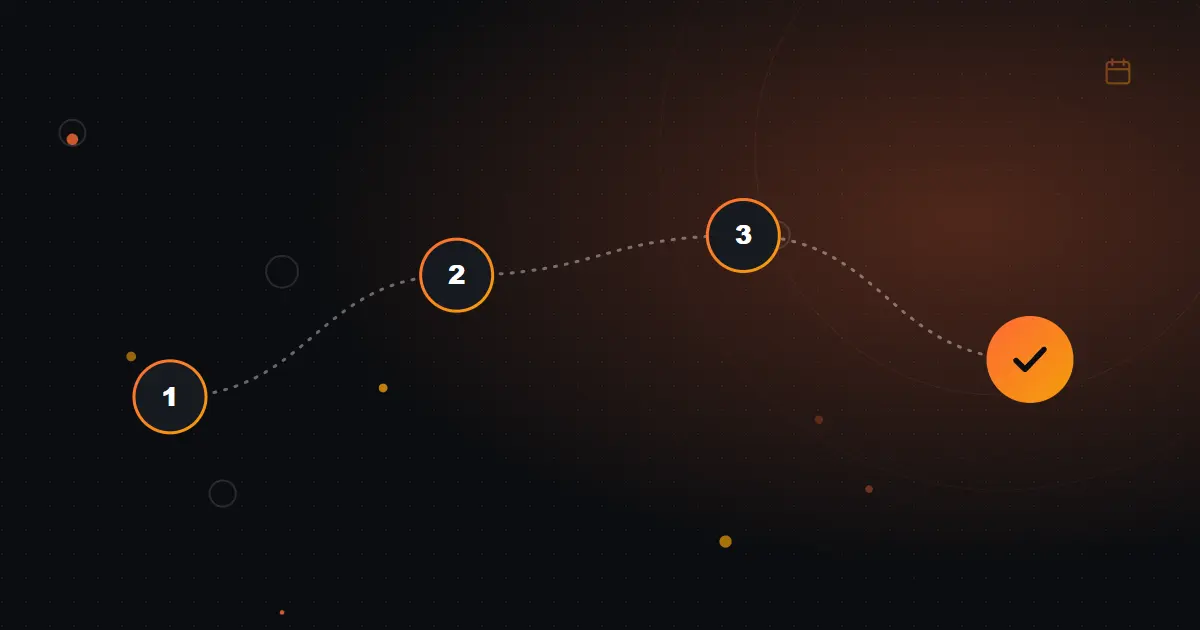
Making a trade show pay with ads
- Before: invite and book meetings
- During: local presence and quick response
- After: personalised follow-up and remarketing
- Measure qualified contacts and sales
After: follow-up
Show contacts cool quickly. Send personalised messages within a few days, with useful content and a clear proposal. Use remarketing to those who passed by the stand or visited the page, with cases, demos and invitations.
Qualify contacts and distinguish the hot ones from the informational.

The show lasts three days; the demand it generates lasts months, if followed up.
Measuring the return
Calculate the cost of the event and of ads against qualified contacts, opportunities and sales, within a period suited to the cycle. Use codes and dedicated pages. Assess which phases and channels brought the most value.
Record lessons for the next event.
Decision table
| Phase | PPC action | Measure |
|---|---|---|
| Before (4 to 6 weeks) | Ads to book meetings and stand visits | Meetings booked |
| During | Local ads and messages for those present | Visits and contacts collected |
| After (1 to 4 weeks) | Remarketing and follow-up to contacts | Meetings and proposals |
| Reuse | Event content in ads | Reach and leads |
Common mistakes to avoid
- Only advertising during the event. The decisive work is before and after.
- Losing the contacts collected. Record them and follow up in days, not weeks.
- Not measuring. Use dedicated codes or pages for attribution.
How to measure the result
Track meetings booked, contacts collected, 48-hour follow-up rate, opportunities and sales attributed to the event.
Limits and exceptions
The return on events depends on sector, visitor quality and follow-up capacity, and trade shows have high costs. Collecting contacts requires consent and information. Not all events justify investing in ads; assess the audience and previous results before deciding.
Illustrative example
Illustrative example: a company going to a trade show launches, a month before, targeted ads to book meetings, and uses a specific event page. During the event, it collects contacts with consent; afterwards, it sends personalised follow-up and runs remarketing. Meetings booked beforehand and fast follow-up generate most opportunities.
In practice: checkpoints
Plan three moments: before, to capture interest; during, to drive traffic to the stand; and after, to turn contacts into meetings. Use event names and dates in ads and pages, create a landing page for visitors, and prepare the follow-up sequence in advance. Measure meetings booked and pipeline created, not just scanned badges, and compare the cost with other lead sources. Collect contacts with a clear legal basis and respect consent, and store the notes from conversations in your CRM so that sales can continue the discussion with context.
Frequently asked questions
When do I start advertising?
A few weeks before, when people plan the visit.
How do I measure return?
With qualified contacts and sales linked to the event, using codes and dedicated pages.
Should I advertise during the show?
If there is relevant local audience and capacity to respond, yes.
When should I start promoting?
Four to six weeks before, to book meetings in time.
How do I attribute results to the event?
With dedicated pages and codes, CRM records and source surveys.
Combine trade shows and PPC in three phases: ads before to book meetings, presence during and fast follow-up after, measuring with pages, codes and CRM.
Sources and recommended reading
Last editorial review: October 2026. Informational content; always confirm current conditions in the official sources before deciding.