
To measure well on Meta in 2026, an SME should have: the pixel installed with consent; the Conversions API sending main events from the server (with event IDs to avoid duplicates); few, well-chosen events (qualified lead, purchase), instead of many weak events; value parameters; and regular quality checks. In the EU, Meta says users may choose less personalised ads, with about 90% less data (DMA report), and Safari 27 blocks third-party email identity services (PPC Land), so first-party data and consent are worth more. Comply with GDPR and consult a specialist.
What changed: less data and more fragility
In the 2026 DMA report, Meta says EU users choose between full and limited personalisation and that limited uses about 90% less data (Meta’s figure). Users may refuse cookies. Safari 27 blocks, at network level, third parties that turn emails into persistent identifiers, according to PPC Land. Each of these changes reduces the signals the platform receives.
The technical answer is to send Meta the right events, reliably and lawfully.
Pixel and Conversions API: why both
The pixel runs in the browser and is affected by blockers, consent and browser restrictions. The Conversions API sends events from the company’s server (shop, CRM) to Meta, more reliably. Using both, with common event IDs for deduplication, is the standard. Implementing the API requires technical work: e-commerce platforms have ready integrations, and in other cases a developer may be needed.
Ask your manager what the state of your implementation is.
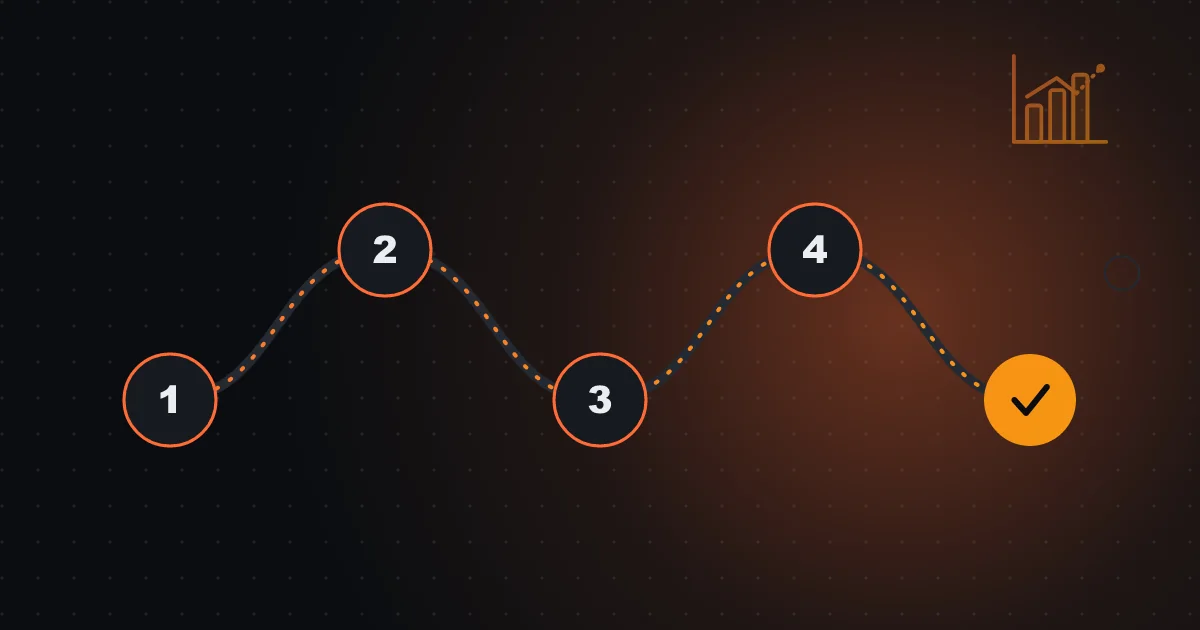
Measurement on Meta: the minimum in five steps
- Pixel installed with consent
- Conversions API with event IDs
- Few events with real value
- Test in Safari and iPhone
- Monthly comparison with real sales
Few events, well chosen
The platform optimises for what you send it: weak events (page view, button click) train the algorithm to seek people who do weak things. Choose a main event representing real value (purchase, qualified lead, confirmed booking) and two or three support events. Send value and currency where it exists.
Fewer events, more signal.
Match quality and first-party data
Meta assesses the quality with which it can match events to people. Sending, with consent and compliantly, parameters like email and phone raises matching, but involves GDPR: legal basis, information to the data subject and minimisation. Collect such data in clear forms and use it proportionately.
Consent Mode and your shop’s cookie banner must be correct before any sending.

Fewer events, more signal. The platform optimises for what you send it.
Safari and iPhone: what to test
Compare events recorded in Safari with those of other browsers, before and after iOS 27. If there are disproportionate drops, check the pixel, API and consent. According to PPC Land, the target of the block is third-party email identity services, not first-party pixels, but testing is advisable.
A simple test purchase on an iPhone resolves many doubts.
Purchase and return: keeping data clean
If you sell products with returns, values sent to Meta should reflect real sales. Microsoft Advertising now allows restating and retracting conversions in its API (refunds, cancellations), according to PPC News Feed; check whether your ad platform and shop allow correcting conversions. Clean data leads to better optimisation.
Avoid sending as “purchase” orders that don’t materialise.
Fifteen-minute monthly check
In Meta’s events manager see: pixel and API status, duplicates, match quality, events received by source and alerts. Compare with real orders or leads from the shop or CRM. Record the difference and date. Review the consent banner after any site change.
A persistent discrepancy is a signal to investigate.
Questions for your manager
Are the pixel and Conversions API active, without duplicates? Which events do we send and why? How is match quality? Is consent well implemented? How did we test in Safari? Do we correct return conversions?
If you want to review your Meta account’s measurement, with a technical and GDPR checklist, I can help build it, with final legal validation.
An illustrative example of a cosmetics shop
A cosmetics shop has the pixel with consent and the Conversions API active. When comparing, it discovers the purchase event arrives duplicated in 18% of cases and that returns aren’t corrected. It fixes the event IDs, starts sending only confirmed purchases and compares monthly with real orders. The example is hypothetical. Within two months, reported cost per purchase approaches the real one and optimisation improves.
Clean data is worth more than more data.
Summary in three lines
With Meta using less data in the EU and consent weighing in, use pixel and Conversions API with few real-value events, check quality every month and comply with GDPR. Always compare with real sales.
Frequently asked questions
Do I need the Conversions API?
It’s the standard to measure reliably when the pixel is affected by consent and browsers. Implement with technical support.
Does Safari 27 affect my pixel?
According to PPC Land, the target is third-party email identity services. Test your measurement in Safari.
Can I send emails and phones?
Only with adequate legal basis, information and consent. Consult a GDPR specialist.
Sources consulted
- PPC Land: Meta's 2026 DMA report reveals WhatsApp ads, a 200M euro fine and a defiant stance on personalized advertising
- PPC Land: Safari 27 blocks identity firms as search falls to 12% of publisher traffic
- Search Engine Journal: Consent Mode v2, Google shares key details for advertisers
- PPC Land: Meta makes advertisers solely responsible for its AI ad edits from Oct 30
Keep reading
- Offline conversions: a practical guide for an SME to connect the CRM and real sales to Google and Meta, with GDPR
- Landing pages for ads: 12 checks in 2026, from HTTPS and speed to forms and consent
- Demand Gen with campaign type attribution in beta: what changes in measurement, requirements and how to read results