In long-cycle purchases (B2B, property, training, equipment), the decision takes weeks or months. Waiting for the sale to evaluate campaigns is too late. Measuring and optimising by intermediate signals, which anticipate closing, lets you act before the cycle ends.
The essentials in a definition
Long purchase cycles, common in B2B and high-value purchases, make optimisation hard: the sale only happens months after the click. The solution is to measure intermediate events that correlate with the sale (qualified lead, meeting, proposal), send later results to platforms with conversion import and track cohorts. GA4 events and conversion measurement support the approach.
The problem of delay
If the sale takes three months, today’s campaign only shows its result in a quarter. Meanwhile you decide with incomplete data, or wait, losing time and money. Algorithms optimising for the final sale receive few examples and very late.
This explains why many B2B accounts seem to be working in the dark.
Mapping the cycle
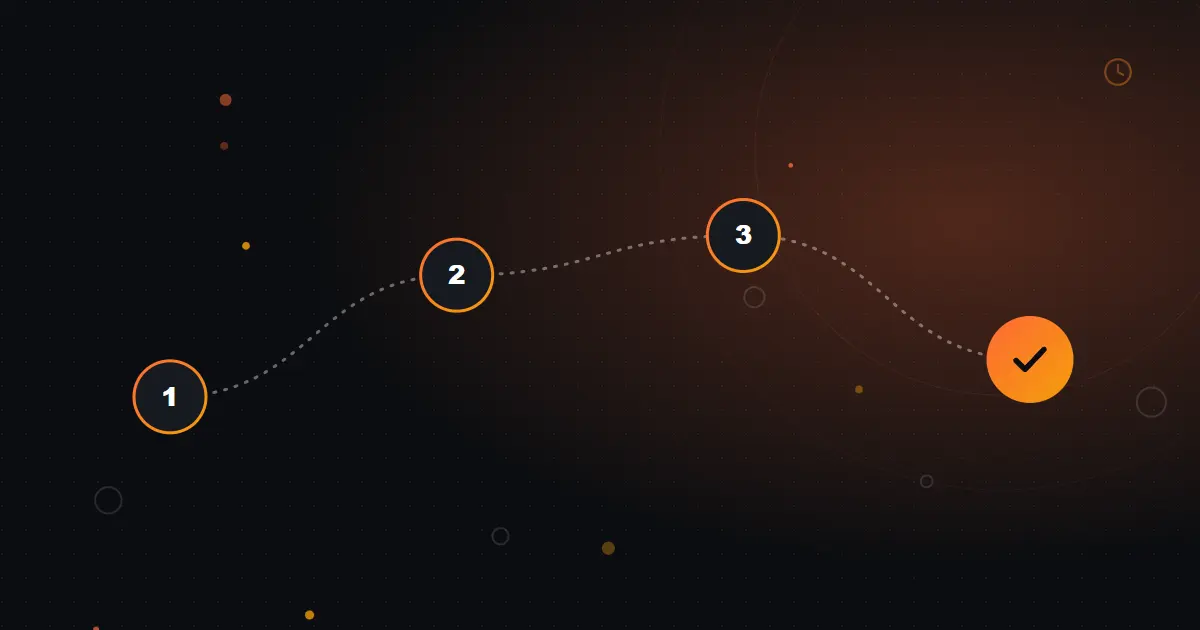
Identify the stages of the process: contact, qualification, meeting, proposal, negotiation, close. Measure how long each takes and what percentage advances. Discover which early actions relate to later closing (for example requesting a meeting).
This map is the basis of any useful measurement.
Optimising before the sale closes
- Map stages and timings of the cycle
- Choose frequent, relevant intermediate events
- Assign value by probability of closing
- Validate with real closings, with a delay
Intermediate signals
Choose one or two intermediate events, close enough to closing to be indicators and frequent enough to train the algorithm: qualified lead, meeting booked, proposal sent. Assign them a value proportional to the probability of closing.
Send those events to the platforms and follow them in reports.

When a sale takes months, the intermediate signal is the best compass we have.
Optimise and review
Evaluate campaigns by cost per intermediate event and validate, with delay, its link to closing. Adjust values with the real conversion rate between stages. Keep in touch with sales to understand quality and reasons for loss.
Record the average cycle length and revise return expectations accordingly.
Decision table
| Stage | Event to measure | Usefulness |
|---|---|---|
| Interest | Key page visit or download | Early signal |
| Qualification | Lead qualified by sales | Main optimisation event |
| Progress | Meeting or demo held | Correlation with sale |
| Close | Proposal accepted or sale | Final value by cohort |
Common mistakes to avoid
- Optimising only for the final sale. There are few cases and too much delay for the platform to learn.
- Ignoring lead quality. More leads do not mean more sales.
- Not linking the CRM. Without a link, you do not know which ads generate sales.
How to measure the result
Track, by cohort and channel, pass-through rates between stages, time to sale and cumulative value at 90, 180 and 365 days.
Limits and exceptions
Intermediate events do not always predict sales well, and different sales processes change pass-through rates. The definition of “qualified” may be subjective, and CRM logging is often incomplete. Periodically validate the correlation between the intermediate event and the sale, training the sales team to record consistently.
Illustrative example
Illustrative example: a software company with a six-month cycle sends the platform, every week, qualified leads and meetings held, and analyses closed sales by cohort at 90 and 180 days. It adjusts optimisation to the qualified lead, and cost per meeting falls. Management now assesses channels by long-term value.
In practice: checkpoints
Define intermediate steps that predict a sale, such as meetings, proposals and qualified visits, and measure them as well as the final deal. Review how long each stage takes and where leads stall.
Frequently asked questions
Which intermediate event should I choose?
The one closest to closing that still has enough volume for the algorithm to learn.
How do I assign value?
By the historical probability of closing from each stage.
When do I assess final return?
After a full cycle has passed, keeping the cohort analysis.
Which event should I optimise for?
The furthest down the funnel that has enough volume, normally the qualified lead.
How do I deal with sales delay?
With intermediate events, import of later results and cohort analysis.
In long cycles, optimise for intermediate events with volume (qualified lead, meeting), import later results and assess channels by cohorts.
Sources and recommended reading
- Google Ads API: conversion management
- Analytics Help: GA4 recommended events
- Google Ads Help: conversion measurement
Last editorial review: October 2026. Informational content; always confirm current conditions in the official sources before deciding.