
In B2B, the decision involves several people and several weeks. Effective remarketing does not repeat the same ad: it leads a sequence of messages for each role (user, decision-maker, finance) and each stage, keeping presence without wearing people out.
The essentials in a definition
In B2B, remarketing must accompany decisions with several stakeholders and long cycles: each person in the company needs different messages (technical, financial, executive). Sequences by role, on platforms such as LinkedIn and Meta, with visitor audiences and lists processed per GDPR, keep the brand present without excessive pressure.
Decisions with several stakeholders
Someone visiting the site may be the person researching, not the one deciding. The decision-maker and whoever approves the budget see different things: benefits, return, risk, integration, security. One ad does not answer them all.
The same company may have several people seeing your ads over time.
Message sequence
Stage 1: remind and reinforce the problem (educational content). Stage 2: show the solution (demo, cases). Stage 3: remove risks (guarantees, integration, security, prices). Stage 4: invitation to act (meeting, proposal). Change the message according to time since the visit or behaviour on the site.
Use audiences by pages visited, by time and by interactions.
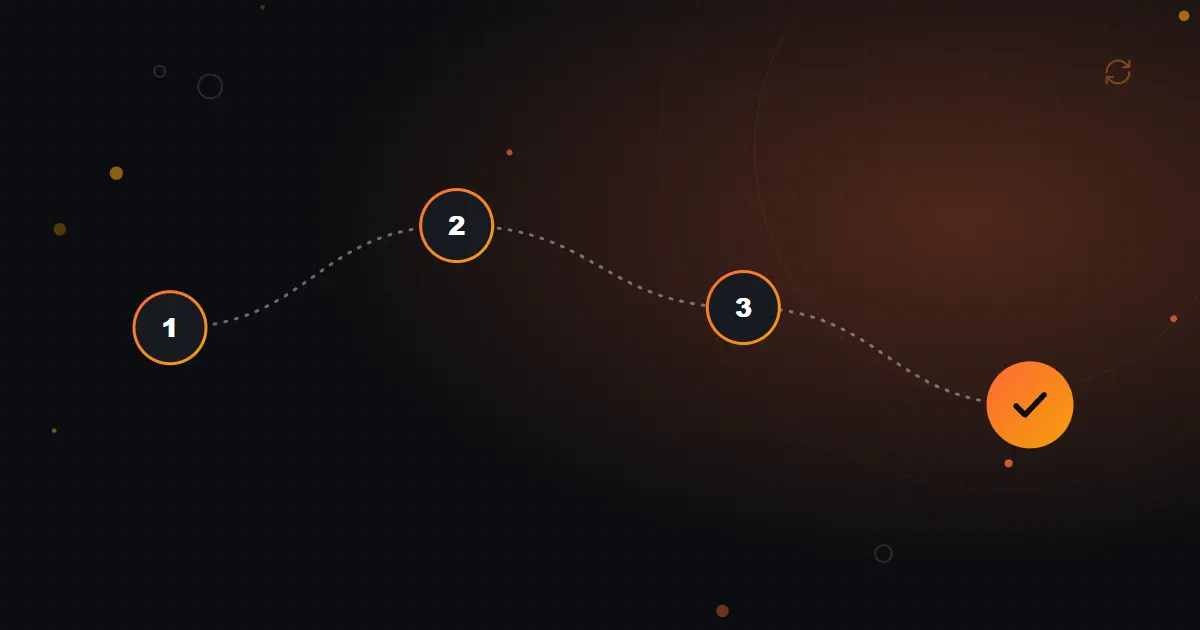
A B2B remarketing sequence
- Educate and reinforce the problem
- Show the solution and cases
- Remove risks and objections
- Invite to a meeting or proposal
Roles within the company
Create variations for different profiles: technical (how it works), manager (result), finance (cost and return). On professional platforms, segment by job title. On others, adapt content based on the pages the person has seen.
Answer the typical objections of each role.

B2B remarketing is conducting a conversation, not repeating an ad.
Frequency and measurement
Limit frequency so as not to saturate. Exclude those who are already customers or who requested a meeting. Track repeat visits, contact requests and opportunities generated. Evaluate per account and not just per click. Review the sequence each quarter.
Respect consent and the privacy policy.
Decision table
| Decision-maker | Concern | Message |
|---|---|---|
| Technical user | Features and integration | Demos and documentation |
| Financial lead | Cost and return | Cases with numbers and terms |
| Executive | Risk and strategy | Proof, references and results |
| Procurement and legal | Contracts and compliance | Guarantees, policies and certifications |
Common mistakes to avoid
- A single message for all. Each role decides for different reasons.
- Excessive frequency. In B2B, the audience is small and saturates quickly.
- No windows. Define durations consistent with the cycle.
How to measure the result
Track engagement by sequence, number of contacts per account, meetings and cycle time.
Limits and exceptions
B2B audiences are small, and remarketing can saturate and cost a lot per contact. Identifying several decision-makers at the same company is not always possible, and privacy rules limit what can be inferred. Combine remarketing with content, events and sales contact, and assess effect per account, not just per click.
Illustrative example
Illustrative example: a software company creates three remarketing sequences by role (technical, financial and executive), with 60-day windows and a frequency cap. It complements with emails to those who left a contact. The number of meetings with multiple decision-makers rises, and the sales cycle shortens slightly.
In practice: checkpoints
Create messages by role (user, decision-maker, finance) and by stage, and cap frequency so as not to tire those who decide as a group. Use short windows for recent visitors and longer ones for accounts in active conversations, exclude existing customers and people already in a sales conversation, and respect consent. Offer a useful next step to each role, such as a checklist, a case or a calculator, and measure meetings and opportunities rather than clicks.
Frequently asked questions
How long should I keep remarketing?
According to the sales cycle, generally weeks to a few months.
Should I have messages per role?
If possible, yes. At least for technical and decision-maker.
How do I avoid wearing people out?
By limiting frequency, varying messages and excluding those who have advanced.
How long should I keep B2B remarketing?
According to the cycle, often weeks to a few months, with limited frequency.
Can I use contact lists?
Only with a legal basis and consent, respecting platform rules.
In B2B remarketing, adapt the message to each decision-maker’s role, limit frequency and windows and combine with direct sales contact.
Sources and recommended reading
Last editorial review: October 2026. Informational content; always confirm current conditions in the official sources before deciding.