
According to PPC News Feed (17 October 2026), eligible advertisers can create an AI Max experiment with one click in Google Ads Recommendations. The experiment splits traffic 50/50; in the treatment arm, you can switch Search term matching or asset optimisation on or off per ad group, and the control arm keeps the base campaign settings. The report gives no eligibility requirements or duration. On 9 October, new AI Max columns were observed (Locations of interest, Optimized targeting, Brand inclusions), rolling out gradually.
What was reported
PPC News Feed reported that eligible advertisers can create an AI Max experiment with one click in Google Ads Recommendations. The experiment splits traffic 50/50. Advertisers can also refine the experiment manually at ad group level. An updated setup guide lets you choose several campaigns, with granular controls and brand settings.
The report is based on an observation by Hana Kobzová and refers to Google’s updated AI Max FAQs.
Control and treatment: what can be changed
In the treatment arm, you can switch Search term matching or asset optimisation on or off for specific ad groups. The control arm keeps the base campaign settings. This allows testing the features separately, which helps see which of them brings value, not just the whole.
The report doesn’t specify eligibility requirements, experiment duration or limitations.
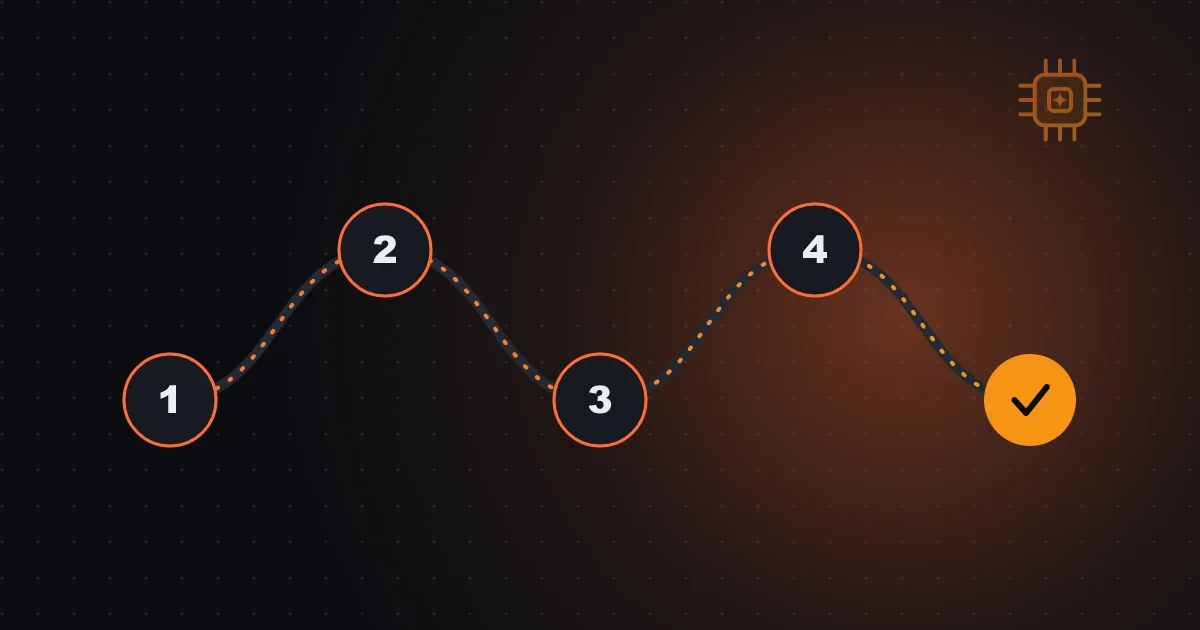
AI Max test in five steps
- Hypothesis and business metric
- Brand, term and location controls
- 50/50 experiment in Recommendations
- At least one to two conversion cycles
- Decision with written criterion
Why an experiment beats “switch on and see”
Comparing before and after switching on AI Max mixes seasonality, budget, competition and the 17 August bidding change effects (budget-limited campaigns stopped accumulating surplus, according to smec’s analysis cited by PPC Land). A 50/50 experiment keeps conditions equal for both arms, and the difference is attributable to AI Max.
It’s the cleanest way to answer a question many managers ask: “does AI Max pay off in my account?”
How to design a reliable test
Define the hypothesis (“AI Max increases qualified leads without raising cost per lead”), the main metric (cost per qualified lead or per sale, not clicks), duration (at least one to two conversion cycles, according to Google) and the decision criterion written before starting. Avoid touching budget, targets, ads or pages during the test.
Keep screenshots of both arms’ settings and the start date.

A 50/50 experiment keeps conditions equal. The difference is AI Max's.
When an experiment isn't conclusive
With few conversions, splitting traffic in two may give arms too small for conclusions. In that case, extend the test, join similar campaigns or accept that the conclusion is weak and decide by risk criteria (brand controls, search term quality, manual review).
An “inconclusive” result is information: it means the effect, if any, is small against the noise.
New AI Max columns
PPC News Feed recorded, on 9 October, three AI Max-related columns: Locations of interest, Optimized targeting and Brand inclusions. The source doesn’t explain what they show nor availability, and says rollout is gradual and may not be in all accounts. It was shared by a user, with no official announcement cited.
If you see them in your account, use them to understand how AI Max decides where to show ads and how they relate to your brand controls.
Care before starting: brand, terms and budget
Configure brand and term exclusions, location and text guidelines before switching on. Ensure the budget lets both arms learn. Review the experiment’s search terms every week. If one arm shows clearly bad ads, stop and fix.
An experiment must not risk the brand’s reputation.
Questions for your manager
Have we tested AI Max with a 50/50 experiment? What metric and duration did we choose? What controls did we set? Who decides at the end and by what criterion? Which new AI Max columns do we have available?
If you want to plan an AI Max test for your campaigns, with hypothesis, metric and decision rule, I can help design it.
An illustrative AI Max test example
An aesthetics clinic in Lisbon has a Search campaign with 60 conversions a month. It creates a 50/50 experiment with term matching on in the treatment arm, keeps everything else equal and runs for six weeks. It compares cost per confirmed booking and quality (attendance rate). The example is hypothetical. If the treatment has similar cost and more bookings, the manager proposes switching on; if it brings irrelevant searches, it keeps the control.
What matters is that the decision is made on a criterion defined beforehand.
Summary in three lines
The one-click experiment splits traffic 50/50 and lets you test AI Max features separately. Define hypothesis, metric and duration before starting, and decide by written criterion. If not conclusive, decide by risk and quality.
Common mistakes when testing AI Max
Switching on and comparing with the previous month; changing budget during the test; assessing after a week; looking only at clicks; ignoring term quality; and not saving the settings of both arms. Each mistake makes the result less reliable. A one-page test sheet, with date, hypothesis and decision, avoids most.
Frequently asked questions
How does the one-click experiment work?
According to PPC News Feed, it splits traffic 50/50, with a treatment arm and a control arm, and lets you switch features on or off per ad group.
How long should it last?
The report doesn’t say. Google recommends one to two conversion cycles before assessing bidding changes, according to PPC Land.
Am I eligible?
The report gives no requirements. Check Recommendations in your account.