
For training and schools, results depend on enrolment deadlines, social proof and lead follow-up. In 2026: Demand Gen requires a minimum daily budget of 5 dollars since 1 April and lookalike audiences became suggestions (PPC Land); in the EU, Meta offers users less personalised ads, with about 90% less data, according to Meta (DMA report); and AI Overviews cover most commercial searches in a Semrush sample. This favours clear creative, pages per course, qualifying forms and CRM.
How training is bought
The decision has emotion (career, future), rationality (price, schedule, certification) and deadline (class start). The prospective student compares, reads opinions, asks acquaintances and postpones. The cycle may last from days to months.
This calls for presence at several moments: intent search (“accounting course Porto”), content that resolves doubts and remarketing with deadlines.
Search: the base
Campaigns by course and by location or mode (online, in person, after-hours), with specific landing pages: programme, duration, price, certification, funding and dates. Brand and course keywords, plus negatives (free, job, PDF). Review search terms if AI Max is on.
If certification or funding are decision points, highlight them with verifiable facts.
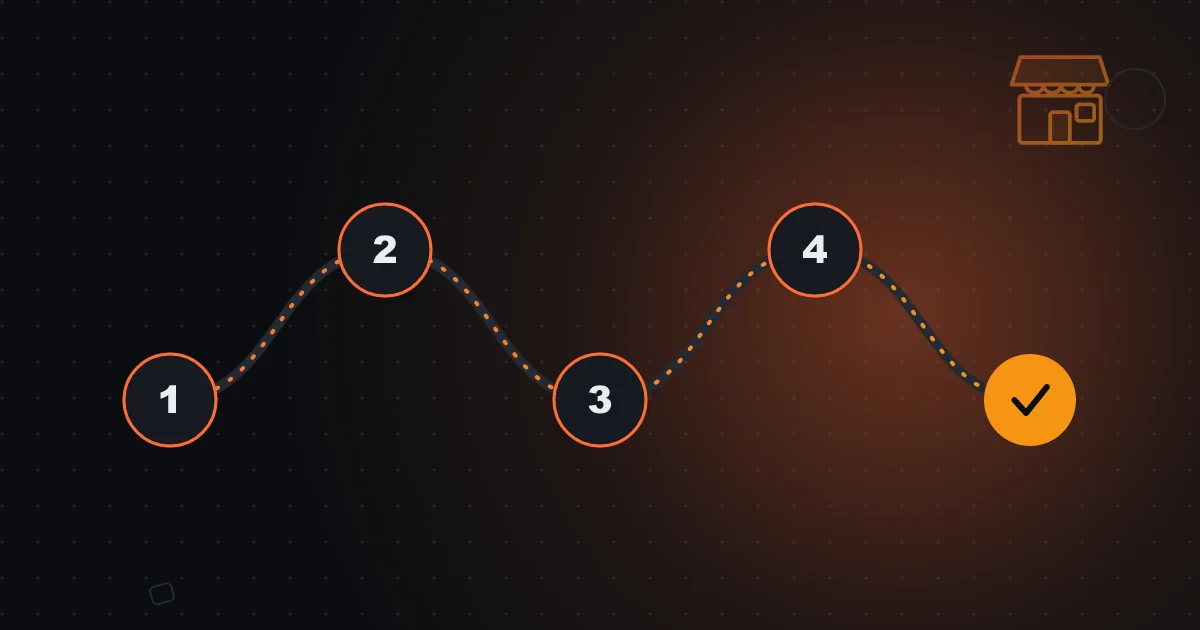
Training: from ad to enrolment
- Search by course and mode
- Page with programme, price and dates
- Qualifying form
- Response to lead within hours
- Enrolment measured and linked to the CRM
Demand Gen: what changed in 2026
According to PPC Land, Demand Gen requires a minimum daily budget of 5 dollars since 1 April 2026, and in March lookalike audiences went from hard constraints to suggestions. For a school with several small campaigns, consolidate into fewer campaigns with enough budget, and compensate for looser targeting with creatives and pages that filter the right audience.
Use short video and images showing the course, teachers and outcome.
Meta in the EU: less data, more creativity
In the 2026 DMA report, Meta says less personalised ads use about 90% less data, and that since January EU users choose between full and limited personalisation. For training, where targeting by interests and behaviours helped, this means relying more on creative, message and proof.
Test different angles (employment, salary, schedule, certification, student testimonials with authorisation) and measure cost per enrolment.

If the sales team takes days to respond to a lead, no campaign pays off.
Social proof and proper testimonials
Student testimonials should be genuine, authorised and verifiable; avoid promises of employment or income you can’t keep. Show real rates (for example placement) only if you have them and with source and period. Reviews on independent platforms weigh.
The Portuguese sources consulted point to the duty of genuine testimonials in the Advertising Code. Seek legal advice for promises.
Forms, qualification and CRM
Ask about the course of interest, mode, availability and deadline. Tag leads by quality and follow up with call, message and email. Measure enrolments, not just leads. Connect the CRM to platforms so the system learns from real enrolments.
If the sales team takes days to respond, no campaign pays off.
AI Overviews and content that answers
Semrush indicates AI Overviews in 88% of commercial keywords in a sample of 400 in the US, but clicks from AI remain thin, according to PPC Land. For training, content answering real doubts (costs, career outcomes, course comparison, funding) helps in Search, social networks and support conversations, and supports paid campaigns.
It’s a long-term investment that reduces dependence on paid clicks.
Questions for your manager
What is the cost per enrolment by course and channel? Do our Demand Gen campaigns meet the minimum and are they consolidated? How do we compensate for less personalisation on Meta? Which testimonials do we use and with what authorisation? Is the CRM connected? How long does the first response to a lead take?
If you want to review the enrolment funnel of your school or training company, I can help set up measurement and the test plan.
Summary in three lines
In training, enrolment counts, not the lead. Consolidate Demand Gen, compensate for Meta’s lower personalisation with creative and genuine social proof, and respond to leads within hours.
An illustrative class calendar example
A school with a class starting on 15 January plans: November, content and intent search; December, remarketing with deadline and testimonials; early January, true countdown (real places); after the start, pause and assessment. The example is hypothetical. The idea is to align message and budget with the decision cycle and the enrolment deadline.
A fake deadline (“last places” when untrue) harms trust and may breach advertising rules.
Frequently asked questions
What changed in Demand Gen?
A 5-dollar minimum daily budget since 1 April 2026 and lookalikes as suggestions since March, according to PPC Land.
Does Meta in the EU limit targeting?
Meta says EU users choose between full and limited personalisation, and that limited uses about 90% less data. It’s Meta’s data.
Can I promise students employment?
Avoid: only state what you can prove, with source and period. Seek legal advice.
Sources consulted
- PPC Land: Google to enforce 5 dollar minimum daily budget on Demand Gen campaigns from April
- PPC Land: Google quietly strips lookalikes' hard targeting control in Demand Gen
- PPC Land: Meta's 2026 DMA report reveals WhatsApp ads, a 200M euro fine and a defiant stance on personalized advertising
- PPC Land: Google AI Overviews reach 88% of commercial searches as AI clicks stay thin
Keep reading
- Ads for restaurants in Portugal in 2026: Business Profile, reviews, bookings and what WhatsApp changes
- Ads for lawyers, accountants and professional services in Portugal in 2026: trust, high CPC and what to ask whoever manages them
- Ads for real estate agents in Portugal in 2026: quality leads, foreign buyers and what changed at Google